What Cationic Surfactants Do and Where They Are Used
Cationic Surfactants are widely used where strong surface interaction, antimicrobial performance, conditioning, or static control is required. Operators need to understand their benefits, limitations, compatibility, and safe handling.
Cationic surfactants carry a positive electrical charge when dissolved or dispersed in water. This charge makes them behave very differently from anionic, nonionic, and amphoteric surfactants.
For most users, their main value is not simply cleaning power. Cationic surfactants are selected because they adsorb strongly onto negatively charged surfaces.
That surface affinity can provide antimicrobial action, fabric softening, hair conditioning, antistatic performance, corrosion-related benefits, or improved deposition of functional ingredients.
However, a cationic material is rarely a universal replacement for other surfactants. Incorrect mixing, unsuitable water quality, or poor dosage control can reduce performance.
Operators should first identify the intended result: disinfection, conditioning, static reduction, surface treatment, emulsification, or controlled delivery of another active ingredient.
The right product choice depends on the substrate, process temperature, contact time, rinse conditions, formulation pH, soil type, and other ingredients already present.
This practical guide explains what cationic surfactants do, where they are used, and what operators should check before handling or applying them.
How Cationic Surfactants Work on Surfaces

The defining feature of cationic surfactants is a positively charged hydrophilic head group combined with one or more hydrophobic hydrocarbon chains.
In water, the charged head interacts with water while the hydrophobic chain seeks oils, grease, air interfaces, polymers, fibers, or biological membranes.
Many industrial surfaces, textile fibers, hair, skin, clay particles, and microbial cell walls carry negative charges under normal working conditions.
Because opposite charges attract, cationic surfactants can deposit efficiently on these surfaces. This is why they are widely used for conditioning and antimicrobial applications.
Once deposited, the hydrophobic portion may alter surface feel, reduce static accumulation, improve lubrication, disrupt microbial membranes, or help retain other functional materials.
The degree of adsorption depends on concentration, molecular structure, pH, temperature, electrolyte content, water hardness, contact time, and the condition of the treated surface.
Strong adsorption is useful, but it may also create residues. Operators should consider whether a persistent deposited film is beneficial or undesirable for the application.
For example, a fabric softener requires controlled deposition, while a high-purity electronics cleaning process may require extremely low residue after rinsing.
Common Types of Cationic Surfactants
Quaternary ammonium compounds, often called quats, are among the most familiar cationic surfactants. They are widely used in disinfectants, softeners, antistatic agents, and conditioners.
Typical quat structures include benzalkonium chloride, dialkyldimethyl ammonium salts, esterquats, and alkyl trimethyl ammonium compounds. Their alkyl chain structure strongly affects performance.
Longer hydrophobic chains often improve adsorption and antimicrobial activity, but they can reduce water solubility or create formulation challenges at low temperatures.
Esterquats are frequently used in fabric softeners because they can provide softness and antistatic performance while offering improved biodegradability compared with some older structures.
Amine salts and amine oxides may also display cationic behavior under selected pH conditions. Their charge can change depending on whether the formulation is acidic or alkaline.
Cationic polymers are not always classified as conventional surfactants, but they are often used alongside them to improve deposition, conditioning, flocculation, or antistatic effects.
Product labels, technical data sheets, and safety data sheets should be checked carefully because trade names do not always reveal the exact active chemistry.
For daily operation, the most important information is usually active content, recommended dilution, compatible ingredients, pH range, storage conditions, and required personal protection.
Why They Are Used in Disinfectants and Sanitizers
Cationic surfactants are common in surface disinfectants because certain quat chemistries can damage microbial cell membranes and interfere with essential cellular processes.
Their antimicrobial effect is influenced by concentration, contact time, target organism, organic soil load, water quality, temperature, and the cleanliness of the surface.
A disinfectant cannot perform reliably when heavy grease, protein deposits, dust, or biofilm remains on the surface. Cleaning before disinfection is often essential.
Operators should never assume that a product is effective against every microorganism. Approved claims, use instructions, and local regulatory requirements define the actual scope.
Correct dwell time matters. Wiping a surface dry immediately after application can prevent the active ingredients from maintaining sufficient contact for intended performance.
Dilution accuracy also matters because overdosing may increase residues and cost, while underdosing may reduce antimicrobial effectiveness and create inconsistent process outcomes.
In food processing, healthcare-related environments, hospitality, and institutional cleaning, rinse requirements must be confirmed for surfaces that may contact food or skin.
Some cationic disinfectants are designed for hard nonporous surfaces, while others may be unsuitable for certain metals, coatings, natural stone, rubber, or sensitive plastics.
Fabric Softeners, Textile Processing, and Static Control
Textile fibers often develop negative surface charge during washing, drying, and handling. Cationic surfactants deposit onto these fibers and reduce friction between them.
This deposited layer can make fabrics feel softer, improve drape, reduce static electricity, and make garments easier to process during subsequent manufacturing steps.
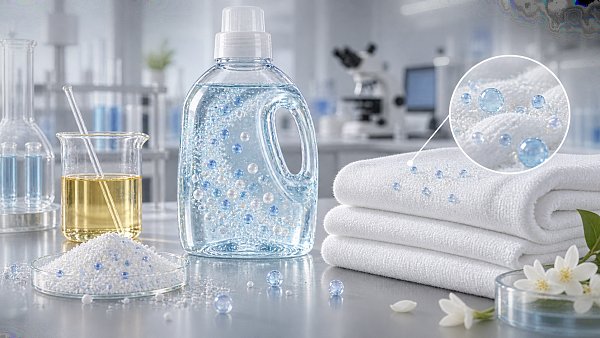
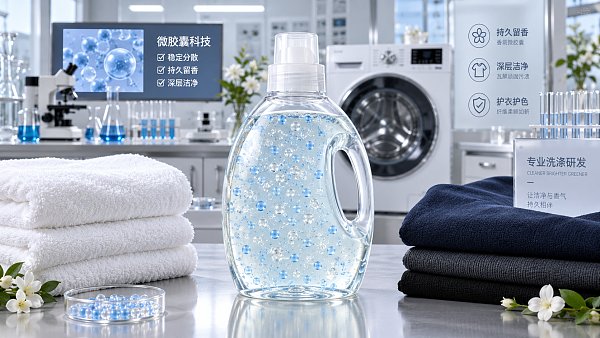
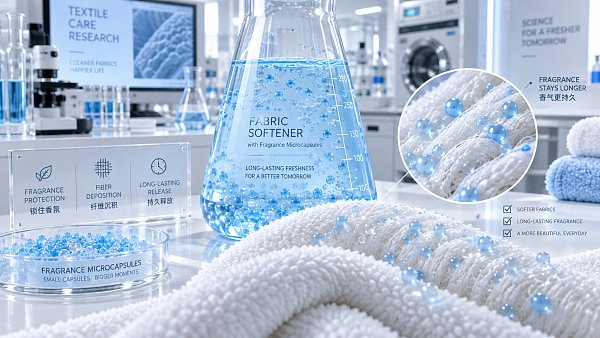
Fabric softener formulations commonly use esterquats because they combine effective fiber deposition with a profile suitable for many modern consumer laundry applications.
In textile production, cationic agents may be applied during finishing to improve lubrication, reduce yarn breakage, control static, or support a particular hand feel.
Overapplication can reduce absorbency, affect dyeing behavior, create spotting, or leave excessive residues. Process trials should establish the minimum effective dosage.
Water hardness, residual detergents, fiber type, bath ratio, drying conditions, and formulation temperature can all change deposition behavior and final textile performance.
Anionic detergent residues are particularly important because they can react with cationic surfactants. The resulting incompatibility may cause precipitation, instability, or weak performance.
Operators should ensure that washing and softening stages are properly separated, especially when automated dosing systems use shared lines or incomplete rinse cycles.
Personal Care Conditioning Applications
Hair fibers are commonly negatively charged, particularly when damaged, chemically treated, or exposed to alkaline cleansing systems. Cationic surfactants can deposit selectively on these areas.
In conditioners and hair masks, cationic ingredients can improve wet combing, reduce friction, support softness, reduce flyaway, and improve the perceived condition of hair.
Examples include cetrimonium chloride, behentrimonium chloride, and related conditioning agents used with fatty alcohols, silicones, polymers, oils, and emollients.
In these formulations, the goal is controlled deposition rather than strong detergency. The surfactant must provide a stable texture and release during rinsing appropriately.
Excess cationic material can leave hair feeling heavy, coated, or difficult to style. Insufficient material may provide limited conditioning after a demanding wash process.
Formulators and operators should monitor pH, viscosity, heating conditions, mixing order, and cooling rate because these factors influence emulsion structure and batch consistency.
Cationic surfactants may also be used in skin care emulsions, but irritation potential, concentration limits, intended exposure, and local cosmetic requirements require careful review.
Operational teams should use approved specifications and batch instructions rather than relying on visual appearance alone when producing or diluting personal care products.
Industrial Cleaning and Surface Treatment Uses
Cationic surfactants are sometimes used in industrial cleaning systems where antimicrobial action, static control, corrosion-related surface treatment, or controlled deposition is required.
They are generally not the first choice for heavy-duty oil removal. Anionic and nonionic surfactants often provide stronger detergency and emulsification for greasy industrial soils.
Nevertheless, cationic materials can complement a cleaning formulation when the treated surface requires a functional residual film or antimicrobial maintenance between cleaning cycles.
In institutional cleaning, they may be incorporated into floor care, hard-surface sanitation, laundry hygiene, and maintenance formulations designed for specified use conditions.
In metal processing, compatibility with aluminum, copper alloys, steel, coatings, and corrosion inhibitors should be validated. A positive result on one metal does not guarantee universal suitability.
For electronics, optical components, semiconductor-related work, or other high-purity environments, residue control is critical. A strongly adsorbing surfactant may be unacceptable without validated rinsing.
Operators should assess conductivity, ionic residue, particle control, rinse water quality, drying behavior, and downstream process sensitivity before introducing cationic materials.
Surface treatment applications require the same discipline: test the treatment on representative substrates before full-scale use, especially where adhesion, painting, or coating follows.
Compatibility: The Most Important Practical Limitation
The largest formulation concern with cationic surfactants is their incompatibility with many anionic surfactants, polymers, dispersants, and detergents.
When oppositely charged ingredients are mixed, they may form insoluble complexes. This can cause cloudiness, sediment, viscosity changes, phase separation, or loss of functional activity.
A cleaning product containing anionic detergents should not automatically be combined with a cationic disinfectant, even when both products appear clear before mixing.
Compatibility must be checked using actual product concentrations, water quality, temperatures, storage periods, and mixing sequences expected during routine operations.
Nonionic surfactants are often more compatible with cationic surfactants, although each formulation still requires testing for clarity, stability, foam, cleaning performance, and deposition behavior.
Amphoteric surfactants may be useful in selected systems, but their compatibility depends on pH and molecular structure. Technical support should be requested for unfamiliar combinations.
Hard water can also influence performance. Minerals, alkaline residues, and dissolved contaminants may change solubility, deposition, foam, or antimicrobial effectiveness in practical use.
Never use visual clarity as the only compatibility test. A formula can remain clear while still losing antimicrobial performance, conditioning efficiency, or acceptable surface finish.
Safe Handling, Storage, and Routine Use
Many cationic surfactant concentrates can irritate skin, eyes, or respiratory pathways. Hazard classification varies significantly with chemical type, concentration, and final product format.
Operators should review the current safety data sheet before receiving, transferring, diluting, or applying any cationic surfactant product in the workplace.
Appropriate controls may include chemical-resistant gloves, eye protection, protective clothing, ventilation, closed transfer equipment, emergency eyewash stations, and spill response materials.
Concentrates should be added to water according to the approved procedure. Mixing order matters because rapid addition can create localized high concentrations, foam, or instability.
Use calibrated pumps, scales, or dosing equipment rather than estimating volume. Accurate addition supports consistent product performance and reduces unnecessary chemical consumption.
Store products in clearly labeled compatible containers, protected from excessive heat, freezing conditions, direct sunlight, and contamination from incompatible chemicals or dirty equipment.
Shared hoses, tanks, and transfer lines require special attention. Residual anionic detergent from a previous batch can interfere with a cationic formulation unexpectedly.
In the event of a spill, follow the product safety instructions, isolate incompatible materials, prevent uncontrolled discharge, and use the site-approved containment and disposal procedure.
How to Select the Right Cationic Surfactant
Start with the intended application outcome. A quat for hard-surface disinfection is selected differently from an esterquat for fabric softness or a conditioning agent for hair care.
Next, define the substrate and process conditions. Consider whether the material will contact fibers, skin, hair, metals, plastics, food-contact surfaces, or sensitive electronic components.
Ask suppliers for active content, chemical identity, recommended use level, pH range, solubility, temperature behavior, compatibility guidance, and regulatory documentation relevant to the market.
For antimicrobial uses, confirm supported efficacy claims and required contact times. Product selection should be based on approved use instructions, not general assumptions about quats.
For conditioning uses, compare deposition, sensory performance, antistatic effect, residue level, rinse behavior, and stability under expected production and consumer-use conditions.
Conduct small-scale trials before changing a production formula. Include aging tests, freeze-thaw checks where relevant, water quality variation, packaging compatibility, and performance testing.
Document successful operating conditions, including dilution method, mixing speed, batch temperature, contact time, equipment cleaning procedure, and any rinse requirement.
A lower-cost material is not necessarily economical if it causes batch instability, higher usage rates, rework, customer complaints, or equipment cleaning problems.
Conclusion: Use Cationic Surfactants for Their Surface Affinity
Cationic surfactants are valuable because their positive charge helps them attach to many negatively charged surfaces and deliver targeted functional effects.
They are especially useful in disinfection, fabric softening, textile finishing, hair conditioning, antistatic treatment, and selected industrial surface-care applications.
Their strongest advantage, surface deposition, is also their main operational consideration. Residues, material compatibility, and interaction with anionic ingredients must be managed carefully.
For operators, consistent results come from selecting the correct chemistry, following approved dilution and contact instructions, controlling mixing conditions, and validating real-use performance.
When these controls are in place, cationic surfactants can provide reliable antimicrobial, conditioning, and surface-treatment value across a wide range of professional formulations.