How Do Tank Mix Adjuvant Systems Affect Herbicide Spray Performance?
How Do Tank Mix Adjuvant Systems Affect Herbicide Spray Performance?
Uneven weed control, excessive drift, or poor leaf coverage can begin with what goes into the spray tank—not just the herbicide itself. For spray operators, understanding tank mix adjuvant systems helps explain how water conditioners, surfactants, oils, and drift control agents influence mixing compatibility, droplet behavior, spray retention, and herbicide uptake.
The right combination depends on the herbicide label, water quality, nozzle setup, target weeds, and field conditions. An additive that improves one part of the application can weaken another. Better spreading may increase runoff; larger droplets may reduce drift but leave fewer deposits on small weeds. The practical objective is a compatible mixture that delivers the labeled treatment accurately—not simply a tank containing more additives.
Start with the herbicide formulation and label
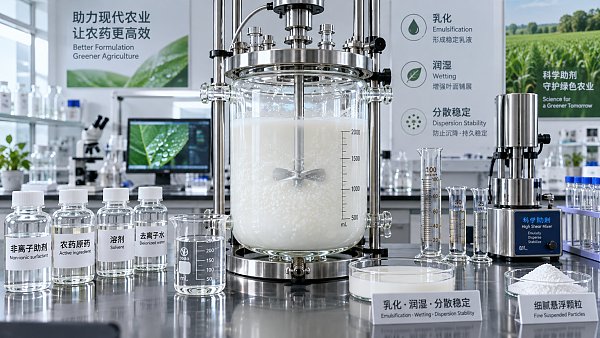
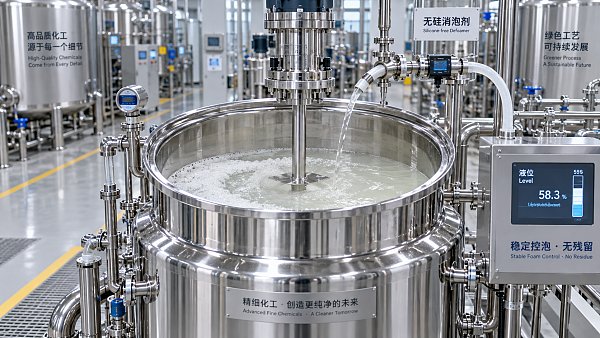
A tank mix adjuvant system is the combined package of additives introduced into the spray solution. It may include a water conditioner, nonionic surfactant, crop oil concentrate, methylated seed oil, drift reduction agent, or defoamer. These categories perform different functions and are not interchangeable.
The herbicide formulation already contains ingredients that support dispersion, emulsification, or delivery. Adding another surfactant does not automatically improve it. Some products require a particular adjuvant category; others contain sufficient surfactant or restrict certain additives. Different formulations containing the same active ingredient may carry different directions.
Before selecting additives, check the current labels for every pesticide in the mixture, together with applicable local requirements. Confirm permitted combinations, adjuvant type and rate, application volume, droplet requirements, crop stage, and environmental restrictions. Where directions conflict or compatibility is unclear, resolve the issue with the registrant or a qualified adviser before mixing.
A supplier’s statement that an adjuvant is “compatible with most herbicides” is not equivalent to confirmation for your exact formulation and use pattern.
Water quality can change the treatment before spraying begins
Hardness, alkalinity, pH, and suspended solids describe different water characteristics. Treating them as the same problem often leads to the wrong conditioner.
Calcium and magnesium can antagonize certain herbicides, including some glyphosate treatments. Where the label allows it, an appropriate conditioner can reduce this interference. Ammonium sulfate is used in some programs, but it is not universally suitable: certain herbicide systems prohibit ammonium-containing additives. A substitute conditioner also needs evidence that it addresses the relevant ions at the intended rate.
Water pH alone does not reveal hardness or buffering capacity. Highly alkaline water may resist pH adjustment, while unnecessary acidification can create other problems. Some herbicides are susceptible to pH-dependent degradation; for some volatile weak-acid herbicides, lowering spray-solution pH can increase volatility risk. There is no universal “ideal spray pH.”
Test the actual water source rather than relying on an old result from another well or season. Request hardness expressed as calcium carbonate equivalent, pH, and alkalinity where relevant. Turbid water also deserves attention because suspended material can interfere with some active ingredients and strain filtration systems. Conditioning does not turn unsuitable water into a reliable carrier.
Wetting, retention, and uptake are separate jobs
A droplet must reach the target, remain on it, and make the herbicide available for action. Tank mix adjuvant systems can influence each step, but improvement at one stage does not guarantee better weed control.
Nonionic surfactants commonly improve wetting by reducing surface tension. This can help droplets spread across difficult-to-wet foliage. However, the response depends on leaf wax, hairs, angle, droplet size, and surfactant chemistry. Excessive spreading can encourage runoff, especially at high spray volumes. Strong spreading on a flat test surface is not proof of useful retention on an upright grass leaf.
Crop oil concentrates and methylated seed oils may enhance penetration through waxy cuticles for herbicides whose labels support their use. They are not simply stronger versions of a nonionic surfactant. Their chemistry and emulsifier content differ, and increased penetration can also increase crop injury under susceptible conditions.
Contact herbicides generally depend heavily on adequate coverage, while systemic herbicides also require absorption and movement within the plant. Neither category escapes the effects of oversized weeds, drought stress, or unsuitable weather. An uptake-promoting adjuvant cannot reliably compensate for poor timing or herbicide resistance, and it does not justify shortening a labeled rain-free interval.
Droplet control must match the nozzle and the target
Drift reduction agents modify spray breakup, often by changing the liquid’s rheological behavior. Their effect depends on the complete mixture and the application equipment. A result obtained with one nozzle and pressure should not be assumed to apply to another.
Reducing the proportion of fine droplets can lower particle drift potential. Making the spray excessively coarse, however, can reduce deposit numbers and compromise coverage where small targets or contact activity demand it. The useful question is not “Does this additive make bigger droplets?” but “Does this mixture produce the required droplet spectrum with this nozzle at the operating pressure?”

Check nozzle-manufacturer data and herbicide-specific application requirements. Where droplet classifications are specified, recognized frameworks such as ASABE S572.1 provide a common vocabulary, but a droplet class is not a guarantee of field performance. Look for test conditions that resemble the intended spray mixture rather than assuming a water-only chart captures every adjuvant effect.
Some polymer-based drift control products can be affected by recirculation or pump shear. Follow their mixing and handling instructions. Also distinguish particle drift from vapor movement: a drift reduction additive does not automatically control volatility, and neither type of additive overrides wind, inversion, buffer, or boom-height restrictions.
Use a compatibility check that reflects the real tank
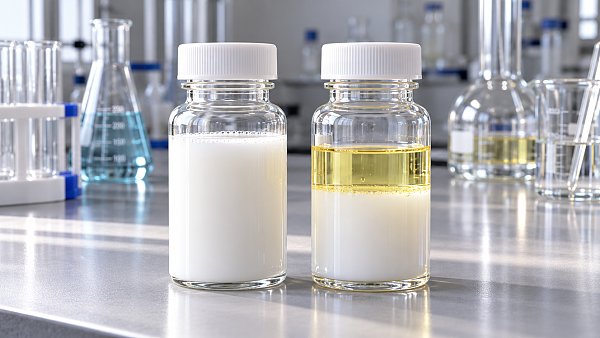
Physical incompatibility may appear as flocculation, persistent layering, gel formation, sediment, or blocked screens. It can arise when otherwise usable products meet at high local concentrations, enter in the wrong sequence, or encounter inadequate water and agitation.
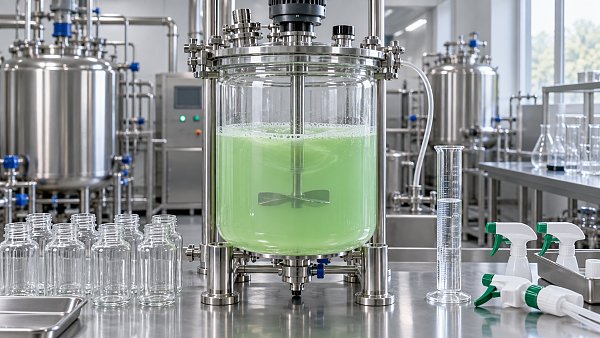
A jar test is a practical screening tool when carried out with appropriate protective equipment and the same water, concentrations, mixing order, and approximate temperature planned for the sprayer. Use labeled or supplier-supported procedures. Observe the mixture after mixing and again after standing; note whether normal agitation restores uniformity.
Passing a jar test establishes only limited evidence of physical compatibility. It does not establish legal acceptability, crop safety, herbicidal compatibility, storage stability, or resistance to prolonged recirculation. Two products can remain visibly mixed while reducing each other’s biological performance.
For the full tank, follow the specified mixing order rather than a universal mnemonic. The following checks help prevent avoidable failures:
- Start with the required volume of clean water and establish the recommended agitation.
- Where directed, condition the carrier before introducing the affected herbicide.
- Allow each formulation to disperse or dissolve before adding the next component.
- Do not pour concentrated products together unless explicitly instructed.
- Add surfactants, oils, defoamers, and drift modifiers at their specified stages.
- Observe limits on holding time, interruptions, and re-agitation.
If separation or gel formation occurs, stop additions and obtain technical guidance. Adding more surfactant or a compatibility agent without diagnosis can make recovery harder.
Rate calculations and product comparisons need a clear basis
Adjuvant rates may be expressed per unit of water, as a percentage by volume, or per treated area. These are not interchangeable. At a percentage-by-volume rate, changing carrier volume changes the amount of adjuvant delivered per hectare. At a fixed area rate, changing carrier volume changes its concentration in the tank.
Confirm the rate basis before calculating a load, especially for partial tanks. Use calibrated measuring equipment and account for actual tank volume. Do not increase concentration merely because weeds look difficult to wet.
Multifunctional products deserve particular scrutiny. A blend marketed for conditioning, wetting, and drift reduction may be convenient, but its recommended dose must adequately address each required function. Adding separate products can duplicate ingredients or introduce an unwanted pH shift.
For comparison, request the technical data sheet, safety data sheet, use directions, and compatibility evidence relevant to the intended herbicide and equipment. Safety documentation explains hazards and handling; it does not prove application efficacy. Useful performance evidence identifies the formulation tested, water conditions, rates, nozzle, pressure, and evaluation method.
Judge performance beyond the appearance of the spray
A stable tank and a uniform spray pattern are necessary, but they are not the final result. Record the water source, product formulations, additive rates, mixing sequence, nozzle settings, weather, weed size, and crop condition. These details help distinguish a mixing problem from inadequate coverage, unfavorable uptake conditions, resistance, or incorrect weed identification.
Global Fine Chemicals & Agrochemical Intelligence Network (FCAS) connects formulation chemistry, application performance, safety documentation, and supplier evaluation. For spray operations, that perspective supports a practical principle: assess an adjuvant by its fit with the complete application system, not by a broad performance claim.
Before the next load, settle three questions: Is the mixture permitted? Is it physically and biologically supported? Can the equipment deliver it within the required operating conditions? If any answer is uncertain, resolve that uncertainty before filling the tank.
Facing technical bottlenecks in manufacturing or looking for more efficient industrial solutions? Leave your details below and let the engineering experts at FCAS solve them for you.
We respect your privacy. Your information is strictly confidential.
Related News
 Non-ionic Surfactants & DefoamersHow Do Low Foam Ethoxylated Surfactants Perform in Cleaning?Discover how low foam ethoxylated surfactants balance cleaning power and foam control, and learn what to test before selecting one for your process.MORE+
 Non-ionic Surfactants & DefoamersChoosing Low Residue Surfactants for Hard Surface CleaningLow residue surfactants for hard surface cleaning: discover how to compare cleaning performance, rinseability, residue testing, and total cost.MORE+
 Non-ionic Surfactants & DefoamersEPA Adopts Human Airway Tissue Method for Surfactant Inhalation Risk AssessmentEPA surfactant inhalation risk assessment may use human airway tissue. Explore potential impacts for industrial cleaners and the details still to verify.MORE+
 Non-ionic Surfactants & DefoamersWhy Do Low Foam Linear Alcohol Ethoxylates Still Cause Foam?Why do low foam linear alcohol ethoxylates still foam? Discover common causes and practical troubleshooting tips to restore consistent performance.MORE+
 Non-ionic Surfactants & DefoamersHow to Measure Foam Control Efficiency in Cleaning DefoamersMeasure cleaning defoamers foam control efficiency with practical tests, dose-response analysis, and plant trials to find the right solution for your process.MORE+
 Non-ionic Surfactants & DefoamersWhat to Check Before Choosing a Low Foaming Surfactants FactoryChoosing a low foaming surfactants factory? Discover how to assess foam performance, quality controls, documentation, supply reliability, and true working costs.MORE+
 Non-ionic Surfactants & DefoamersHow Non Ionic Wetting Agents Improve Surface CoverageDiscover how non ionic wetting agents improve surface coverage in coatings, cleaning, and sprays, and learn how to select and test the right formulation.MORE+
 Non-ionic Surfactants & DefoamersDo Industrial Dispersants Require Special Handling During Transport?Do industrial dispersants require special handling during transport? Discover how to protect product quality, meet shipping rules, and prevent costly delays.MORE+
 Non-ionic Surfactants & DefoamersCalifornia OEHHA Proposes Proposition 65 Cancer Listing for PFHxA and Its SaltsPFHxA and its salts face a proposed California Proposition 65 cancer listing. Explore what the OEHHA notice could mean for suppliers and compliance.MORE+
 Non-ionic Surfactants & DefoamersWhat Should a Quote From an Industrial Wetting Agents Exporter Include?Choosing an industrial wetting agents exporter? Learn what a complete quote should include, from product specs and active content to shipping terms, compliance, and true landed costs.MORE+
 Non-ionic Surfactants & DefoamersBASF Starts Up Expanded APG Production in Cincinnati to Serve North American DemandBASF expands APG production in Cincinnati to meet North American demand. Explore how added capacity supports local supply of bio-based, biodegradable surfactants.MORE+
 Non-ionic Surfactants & DefoamersWhat Should You Check When Buying Low-Residue Surfactants in Bulk?Buying low residue surfactants wholesale? Learn how to verify residue claims, assess batch consistency, and compare total costs before your next bulk order.MORE+
 Non-ionic Surfactants & DefoamersBASF Raises Bid for Evonik to €24 a ShareBASF raises its Evonik takeover bid to €24 a share, valuing the offer above €11 billion. Explore the revised terms, German plant pledges and employment guarantees.MORE+
 Non-ionic Surfactants & DefoamersWhen Do High Spreading Adjuvant Systems Improve Leaf Coverage?Discover when high spreading adjuvant systems improve leaf coverage on waxy foliage, and learn how to balance wetting, retention, compatibility, and crop safety for better spray performance.MORE+
 Non-ionic Surfactants & DefoamersHow Do You Evaluate a Low Residue Surfactants Supplier for Cleaning?Evaluate a low residue surfactants supplier with proven residue tests, batch consistency, and rinse performance. Learn how to reduce cleaning risks and choose with confidence.MORE+
 Non-ionic Surfactants & DefoamersHow Do Tank Mix Adjuvant Systems Affect Herbicide Spray Performance?Explore how tank mix adjuvant systems affect herbicide coverage, drift, and uptake. Get practical tips to check compatibility, choose additives, and improve spray performance.MORE+
 Non-ionic Surfactants & DefoamersHow Does Ethoxylation Affect Octylphenol Ethoxylates as Emulsifiers?Choosing an octylphenol ethoxylates emulsifier? Discover how ethoxylation affects HLB, cloud point, and stability to select the right grade for your formulation.MORE+
 Non-ionic Surfactants & DefoamersWhen Do Industrial Wetting Agents Improve Pesticide Spray Coverage?Do industrial wetting agents improve pesticide spray coverage? Discover when they help, how to test retention and compatibility, and what to check for crop safety before selecting an adjuvant.MORE+
 Non-ionic Surfactants & DefoamersHow Do Amine Oxides Affect Foam Stability in Cleaning Formulations?Amine Oxides can enhance foam stability in cleaning formulations. Discover how surfactant blends, pH, and soil affect performance—and learn to balance lasting foam with easy rinsing.MORE+
 Non-ionic Surfactants & DefoamersHow to Choose Linear Alcohol Ethoxylates for Textile WettingChoose linear alcohol ethoxylates for textile wetting with confidence. Compare penetration, foam, and bath compatibility to improve uniformity and find the right grade for your process.MORE+
 Non-ionic Surfactants & DefoamersHow Do You Choose Low Foam Linear Alcohol Ethoxylates for Cleaning?Choose low foam linear alcohol ethoxylates with confidence. Discover how cloud point, foam testing, and rinseability help you achieve reliable cleaning and stable equipment performance.MORE+
 Non-ionic Surfactants & DefoamersHow to Choose Non Ionic Low Foaming Surfactants for CIP CleaningNon ionic low foaming surfactants for CIP cleaning: learn how to balance wetting, foam control, compatibility, and rinseability for reliable cleaning performance.MORE+
 Non-ionic Surfactants & DefoamersWhat Cationic Surfactants Do and Where They Are UsedCationic Surfactants deliver antimicrobial action, conditioning, antistatic control, and surface treatment benefits. Explore key uses, compatibility, and safe selection tips.MORE+
 Non-ionic Surfactants & DefoamersChoosing Defoamers for Agrochemical Formulations Without Reducing EfficacyDefoamers for agrochemical formulations: learn how to control foam while protecting stability, spray performance, and active ingredient efficacy.MORE+
 Non-ionic Surfactants & DefoamersWhy Mild Cocamidopropyl Betaine Matters in Gentle Cleansing FormulasMild cocamidopropyl betaine helps create gentler cleansers with creamy foam, balanced viscosity, and improved surfactant compatibility. Explore its formulation benefits.MORE+
 Non-ionic Surfactants & DefoamersHow to Compare Alkyl Polyglucosides for High-Performance CleanersAlkyl Polyglucosides guide: compare APG grades for wetting, grease removal, foam control, stability, and substrate safety in high-performance cleaners.MORE+
 Non-ionic Surfactants & DefoamersHow Low Residue Wet Cleaning Agents Improve Precision Cleaning ResultsLow residue wet cleaning agents improve precision cleaning with better wetting, efficient rinsing, reduced films, and reliable results for sensitive surfaces.MORE+
 Non-ionic Surfactants & DefoamersHow to Compare Degreasing Surfactants Bulk Price and PerformanceCompare degreasing surfactants bulk price beyond cost per kg. Evaluate dosage, foam, rinse quality, compatibility, and supplier reliability to choose the best-value cleaner.MORE+
 Non-ionic Surfactants & DefoamersWhy Silicone Cleaning Defoamers Prevent Foam-Related Production DelaysSilicone cleaning defoamers prevent foam-related production delays by stabilizing cleaning systems, improving pump performance, and protecting process efficiency.MORE+
 Non-ionic Surfactants & DefoamersHow Non Ionic Intermediates Improve Pesticide Formulation StabilityDiscover how non ionic pesticide formulation intermediates enhance emulsion stability, wetting, hard-water tolerance, and storage performance in crop protection products.MORE+
 Non-ionic Surfactants & DefoamersHow to Choose Low Foam Cleaning Auxiliaries for CIP SystemsLow foam cleaning auxiliaries for CIP systems: learn how to balance foam control, wetting, soil removal, compatibility, and rinseability for reliable cleaning results.MORE+
 Non-ionic Surfactants & DefoamersWhen Silicone Free Industrial Defoaming Agents Solve Process FoamSilicone free industrial defoaming agents control persistent process foam while protecting coating quality, cleaning performance, and downstream compatibility. Explore smarter selection.MORE+
 Non-ionic Surfactants & DefoamersDo Industrial Dispersants Require Special Transport Handling?Do industrial dispersants require special handling during transport? Learn how SDS classification, packaging, temperature control, and freight modes determine safe, compliant delivery.MORE+
 Non-ionic Surfactants & DefoamersAre Cleaning Defoamers Compatible With Acidic Cleaning Solutions?Are cleaning defoamers compatible with acidic cleaning solutions? Discover how to select acid-stable, low-residue defoamers for reliable foam control, cleaner rinsing, and safer industrial performance.MORE+
 Non-ionic Surfactants & DefoamersDo Detergent Builders Improve Cleaning Efficiency in Cold Water?Do detergent builders increase cleaning efficiency in cold water? Discover how they control hardness, reduce redeposition, and optimize cold-water detergent performance.MORE+
 Non-ionic Surfactants & DefoamersHow to Choose Industrial Dispersants for Water-Based CoatingsHow to choose industrial dispersants for water-based coatings? Explore pigment, binder, milling, rheology, VOC, and stability factors for smarter formulation decisions.MORE+
 Non-ionic Surfactants & DefoamersLow-Foaming Nonionic Surfactants for CIP Cleaning: Selection by Soil LoadLow foaming nonionic surfactants for CIP cleaning: learn how to match wetting, emulsification, temperature stability, and rinseability to light, heavy, protein, and mixed soil loads.MORE+
 Non-ionic Surfactants & DefoamersWhat Are Octylphenol Ethoxylates and Where Are They RestrictedOctylphenol Ethoxylates explained: explore their uses, environmental risks, global restrictions, compliance challenges, and practical replacement strategies.MORE+
 Non-ionic Surfactants & DefoamersAre Octylphenol Ethoxylates Still Suitable for Industrial CleanersExplore whether octylphenol ethoxylates for industrial cleaners still deliver reliable performance amid evolving regulations, wastewater demands, and safer formulation alternatives.MORE+
 Non-ionic Surfactants & DefoamersHow Ethoxylated Surfactants Improve Wetting and Cleaning in Textile ProcessingDiscover how ethoxylated surfactants for textile processing enhance wetting, oil removal, foam control, and rinse performance for reliable fabric quality.MORE+