Do Industrial Dispersants Require Special Transport Handling?
Industrial dispersants do not automatically require special transport handling simply because they are dispersants. The deciding issue is the finished product’s transport classification, not its functional role in a coating, cleaning compound, pigment slurry, agrochemical formulation, or polymer process.
A water-based sodium polyacrylate dispersant with no regulated hazards may travel as a non-dangerous chemical under normal freight controls. A solvent-based dispersant, a product containing corrosive amines, or a formulation with a low flash point may be regulated as dangerous goods and require approved packaging, marks, labels, transport documents, trained personnel, and mode-specific controls. Even where a product is not regulated as dangerous goods, it may still need careful temperature management, packaging selection, segregation from incompatible materials, and leak-prevention measures to preserve product quality.
The practical question is therefore not “Does this dispersant need special handling?” but “What risks does this exact commercial formulation present during the full transport route?”
Start with the transport classification of the finished formulation
“Dispersant” covers a broad group of materials. Products sold under this description may be polymeric dispersants, lignosulfonates, naphthalene sulfonate condensates, phosphate esters, acrylic copolymers, polyurethane-based systems, surfactant blends, or mixtures containing solvents, neutralizers, preservatives, and other additives. Their physical form can range from dry powders and granules to aqueous solutions, viscous pastes, and flammable liquids.
The transport classification must be based on the product as packed and shipped, including its concentration and carrier system. A hazardous raw material does not always make the finished dispersant hazardous for transport; conversely, a relatively low-hazard active component may be supplied in a solvent system that changes the classification entirely.
The most useful starting document is the current Safety Data Sheet (SDS), especially Section 14, “Transport Information.” It should identify, where applicable:
- UN number;
- proper shipping name;
- transport hazard class or division;
- packing group;
- environmental hazard or marine pollutant status;
- special precautions for the user; and
- applicable transport frameworks.
For international trade, the relevant framework depends on the route: ADR for road movements in many European jurisdictions, RID for rail, the IMDG Code for sea freight, and the IATA Dangerous Goods Regulations for air transport. National rules may add local requirements. A classification suitable for sea freight is not automatically acceptable for air freight, where quantity limits and packaging instructions can be more restrictive.
Section 14 should not be treated as a document to copy into a booking request without review. It needs to correspond to the actual product name, revision date, concentration, package size, and shipping mode. Classification errors often arise when an older SDS remains in circulation after a formulation change, a distributor uses a generic document, or commercial teams ship a product under an abbreviated internal name that does not match the proper shipping name.
Hazard triggers that change transport handling
Several properties can move a dispersant from normal chemical freight into regulated dangerous-goods handling. Flammability is one of the most common. Dispersants formulated in aromatic hydrocarbons, alcohols, glycol ethers, esters, or other organic solvents may have a flash point that determines whether they are classified as flammable liquids. The relevant value is the tested flash point of the formulated product, not the flash point of one ingredient listed in the composition.
Corrosivity is another trigger. Formulations adjusted with strong acids, alkalis, or reactive amines can damage skin, eyes, packaging, and transport equipment. Aqueous appearance does not mean a product is non-corrosive. pH is informative but is not by itself a complete transport classification test; the material’s corrosion behavior and applicable classification criteria matter.
Some dispersants may present acute toxicity, sensitization concerns, environmental hazards, or elevated-temperature risks. Products containing certain biocides, solvents, or metal-containing components may also require closer assessment. For marine shipments, the marine pollutant determination is particularly important. A material can be non-flammable and non-corrosive yet still be subject to IMDG requirements because of its aquatic environmental hazard classification.
Powdered products introduce a different set of concerns. Fine powders can create dust during filling, unloading, or package failure. Certain organic powders may require evaluation for combustible dust behavior in processing environments, although this is not the same thing as transport classification. Hygroscopic powders may cake, lose flowability, or compromise paper sacks when exposed to moisture. These quality and handling issues can justify more protective packaging even when dangerous-goods rules do not apply.

Non-regulated does not mean “ship under any conditions”
Many water-based dispersants are not regulated for transport, but they can still be damaged by poor logistics control. Freeze-thaw instability is a frequent issue for aqueous polymer systems. Freezing can concentrate dissolved salts, destabilize surfactant packages, separate polymer phases, or alter viscosity after thawing. A product may remain chemically usable in appearance while no longer delivering the same pigment stabilization, wetting, suspension control, or rheology performance in the customer’s formulation.
High temperatures can also cause problems. Water loss through imperfect closures, increased pressure in sealed packs, microbial deterioration in susceptible systems, viscosity drift, or degradation of temperature-sensitive additives may occur during prolonged exposure. The risk is not limited to hot climates. Containers, trailers, and warehouses can experience temperatures substantially different from ambient outdoor conditions.
Temperature guidance should be specific. “Keep cool” is not an operational instruction unless the supplier states an acceptable range, the permitted duration of exposure outside that range, and whether freeze-thaw cycling is allowed. If the product is sold with a stated storage temperature, logistics teams should clarify whether that requirement applies equally to short-term transport exposure, port delays, and inland staging.
Viscosity also affects delivery reliability. Highly viscous dispersants may become difficult to pump in cold conditions, particularly in drums, intermediate bulk containers (IBCs), or flexitanks. Heating may be permitted, but only within supplier-defined limits. Uncontrolled heating can create local hot spots, damage polymer architecture, accelerate degradation, or deform plastic packaging. A shipment plan should state whether heating blankets, insulated equipment, recirculation, or a heated unloading area are appropriate.
Packaging must protect both compliance and formulation integrity
For regulated shipments, packaging must meet the applicable dangerous-goods packaging instruction and, where required, carry the appropriate UN performance approval. The package type, closure, inner packaging, net quantity, and packing group must align with the transport rule for the declared material. Reusing drums or IBCs without confirming cleanliness, compatibility, and approval status can create a compliance breach as well as a contamination risk.
For non-regulated materials, packaging still needs to be compatible with the formulation. Some solvent-containing dispersants can soften, swell, stress-crack, or permeate certain plastics. Alkaline or acidic products may affect metal closures, liners, gaskets, and valve assemblies. Water-based products can corrode unprotected steel containers over time, particularly where chloride contamination or unsuitable headspace conditions are present.
Packaging decisions should account for the entire handling sequence rather than only the ocean or road leg. A drum that performs well in a controlled warehouse may fail after repeated forklift handling, container vibration, stack compression, and temperature cycling. IBC selection requires equal care: valve protection, venting design, pallet condition, outlet compatibility, and stacking limitations all affect loss prevention.
Headspace is another overlooked detail. Liquids expand with temperature changes. Overfilled drums can leak through closures or pressure-relief points when exposed to heat. Underfilled containers may create excessive sloshing and stress during movement. The correct fill level depends on the product’s expansion behavior, package design, and applicable packaging rules.
Mode of transport changes the practical risk profile
Road freight is often operationally straightforward, but it still requires appropriate load restraint, segregation, spill response capability, and documentation when a dispersant is classified as dangerous goods. Transporting a flammable dispersant beside incompatible oxidizers, for example, may be prohibited or operationally unacceptable even if both materials are individually packaged correctly.
Sea freight adds longer transit times, humidity exposure, temperature variation, port handling, and container-stowage considerations. For regulated cargo, the IMDG Code governs declaration, marking, labeling, packing, and stowage. For temperature-sensitive but non-regulated dispersants, the key concern is whether ordinary container service exposes the goods to temperatures outside their stability range. Insulated or refrigerated equipment should be selected because the product requires it, not because it appears more protective in principle. Refrigeration can itself create a freeze risk for some aqueous systems.
Air freight usually requires the strictest review. Dangerous-goods acceptance rules, package limits, documentation standards, and carrier restrictions may make air shipment impractical for some formulations. Even when a dispersant is not regulated, air carriers may request an SDS or a shipper’s statement to confirm that the material is not restricted. Declaring a chemical merely as “sample,” “additive,” or “non-hazardous liquid” without a defensible product description can lead to rejection, delay, or enforcement action.
Documentation failures are often more disruptive than the chemical risk
A shipment can be technically safe and still fail at the booking, terminal, customs, or carrier-acceptance stage because the documents are inconsistent. The commercial invoice, packing list, SDS, dangerous-goods declaration, transport labels, and package marks should describe the material consistently. Product trade names may appear on commercial documents, but regulated shipments also require the proper shipping name and other mandated information.
Particular attention is needed when a shipment includes several related products. A dispersant, defoamer, wetting agent, preservative, and solvent may be shipped together for a formulation customer. Each line item needs its own classification review. It is not valid to assign the whole consignment the status of the least hazardous product.
Where a product is not subject to dangerous-goods transport rules, a clear SDS transport section and accurate commercial description can reduce avoidable queries. However, “not regulated” does not remove other obligations, such as customs classification, chemical inventory requirements, import restrictions, labeling rules, or customer-specific acceptance conditions. These are separate compliance questions and should not be conflated with dangerous-goods status.
A workable release check before booking
Before dispatching industrial dispersants across borders, the shipment should be cleared against the current product and route rather than through a generic logistics instruction. Confirm the exact formulation and SDS revision; identify the transport mode and all transit countries; verify the UN number, proper shipping name, hazard class, packing group, and environmental status where applicable; then match the packaging and quantity to the relevant rule set.
The release check should also record the product’s stability limits: minimum and maximum temperature, freeze sensitivity, permitted heating method, shelf-life considerations, and any restrictions on stacking or prolonged storage. These requirements need to reach the freight forwarder, warehouse, carrier, and receiving site in usable terms. A note saying “handle with care” does not tell an operator whether to prevent freezing, avoid direct sun, keep a valve upright, or protect from moisture.
At destination, the receiving procedure matters as much as the outbound shipment. Drums and IBCs should be inspected for leaks, swelling, damaged closures, sedimentation, phase separation, and evidence of temperature abuse before the material enters production. Where the product has settled or thickened, any mixing or warming must follow supplier instructions. Improvised dilution or aggressive agitation can alter the performance of a dispersant system and make subsequent quality disputes difficult to resolve.
The correct handling level is therefore product-specific. Some industrial dispersants can move through standard freight channels with robust packaging and routine chemical documentation. Others require the full discipline of dangerous-goods transport. Between those two positions lies an important category of non-regulated but transport-sensitive products, where temperature, packaging compatibility, and delivery controls protect commercial value even when no hazard label is required.
Related News
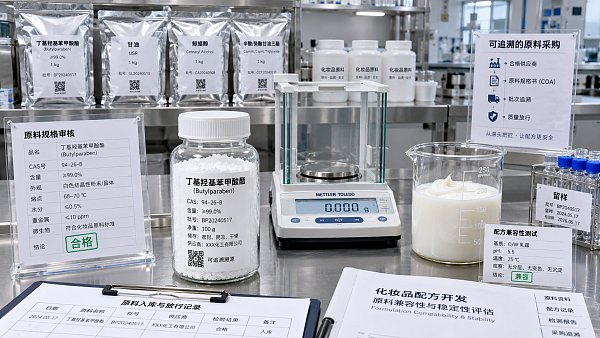
 Antioxidants & Natural PreservativesWhat Quality Checks Matter When Sourcing Butylparaben for Personal CareButylparaben for personal care sourcing guide: compare assay, impurities, physical performance, documentation, traceability, and supplier quality to reduce formulation risk.MORE+
 Nano-microcapsule FormulationsHow Encapsulated Flavors Protect Taste During Processing and StorageEncapsulated Flavors protect taste from heat, oxygen, moisture, and storage loss. Explore smarter release, carrier selection, and processing strategies.MORE+
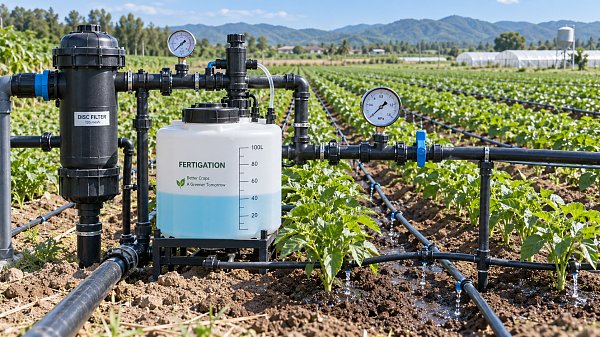
 Chelated Trace Element FertilizersHow Greenhouse Fertigation Systems Reduce Water and Fertilizer WasteGreenhouse fertigation systems reduce water and fertilizer waste with precise dosing, uniform irrigation, drainage monitoring, and smarter crop-zone control. Learn practical strategies.MORE+
 Supercritical CO2 Essential OilsHow Natural Essential Oil Blends Improve Consistent Product FragranceNatural essential oil blends help brands achieve consistent, appealing fragrance across batches. Explore smart blend design, stability testing, and product compatibility strategies.MORE+
 Non-ionic Surfactants & DefoamersHow to Choose Non Ionic Low Foaming Surfactants for CIP CleaningNon ionic low foaming surfactants for CIP cleaning: learn how to balance wetting, foam control, compatibility, and rinseability for reliable cleaning performance.MORE+
 Nano-microcapsule FormulationsHow Food Grade Cyclodextrin Complexes Protect Sensitive FlavorsFood grade cyclodextrin inclusion complexes help protect sensitive flavors from oxidation, evaporation, and processing loss while supporting controlled release and consistent sensory quality.MORE+
 Polymer-Coated Water Soluble NPKHow Fertilizer Coating Polymers Improve NPK Granule ReleaseFertilizer coating polymers for NPK granules improve controlled nutrient release, reduce loss risks, and enhance product consistency. Discover key selection and process insights.MORE+
 Chelated Trace Element FertilizersWhat Diammonium Phosphate Means for Crop Nutrition PlanningDiammonium Phosphate: learn how DAP supports early phosphorus access, nitrogen budgeting, smart placement, and balanced crop nutrition planning.MORE+
 Maillard Reaction Savory FlavorsHow to Assess a Flavor Bases Supplier List for Reliable SourcingGlobal Fine Chemicals & Agrochemical Intelligence Network flavor bases supplier list: assess specs, samples, supply risk, and true cost to source with confidence.MORE+
 Hydrocolloids & EmulsifiersHow Konjac Gum Powder Improves Texture in Low-Calorie FoodsKonjac gum powder improves body, stability, and mouthfeel in low-calorie foods. Discover practical tips for smoother sauces, beverages, and reduced-fat formulations.MORE+
 Supercritical CO2 Essential OilsWhat to Check Before Choosing a Botanical Essential Oils ManufacturerChoose a botanical essential oils manufacturer with confidence. Explore key checks for purity, traceability, compliance, batch consistency, and reliable supply.MORE+
 Microencapsulated FragrancesHow Fragrance Carriers for Detergents Improve Scent PerformanceFragrance carriers for detergents improve stability, fabric deposition, and long-lasting scent. Explore practical solutions for better wash-to-wear fragrance performance.MORE+
 Antioxidants & Natural PreservativesWhen Propyl Gallate Antioxidant Is the Right Choice for Oil StabilityPropyl gallate antioxidant: learn when it is the right choice for oil stability, shelf-life protection, processing compatibility, and smarter formulation decisions.MORE+
 Antioxidants & Natural PreservativesHow Potassium Sorbate Extends Shelf Life in Food and Beverage ProductsPotassium Sorbate helps food and beverage brands control yeast and mold spoilage. Explore pH, dosage, processing, and packaging strategies for reliable shelf life.MORE+
 Antioxidants & Natural PreservativesHow to Source Bulk Herbal Extracts With Reliable Quality ControlBulk herbal extracts sourcing guide: compare suppliers, verify traceability, review CoAs, and build reliable quality controls for safer, consistent purchasing.MORE+
 Antioxidants & Natural PreservativesWhat to Check Before Sourcing Butylparaben for Personal Care FormulasButylparaben for personal care sourcing guide: check market eligibility, purity, supplier controls, formula compatibility, packaging, and total risk before buying.MORE+
 Targeted Bio-pesticides & APIsChoosing Microbial Fungicides for Foliar Diseases in Integrated Crop ProgramsMicrobial fungicides for foliar diseases: learn how to match biology, formulation, tank compatibility, and timing for stronger integrated crop protection.MORE+
 Targeted Bio-pesticides & APIsHow Microbial Insecticides Control Caterpillars With Lower Crop Residue RiskMicrobial insecticides for caterpillars help protect crops with targeted early-larval control and lower residue-management pressure. Learn timing, coverage, compliance, and scouting essentials.MORE+
 Microencapsulated FragrancesHow to Add Encapsulated Laundry Fragrances Without Weakening Wash ResultsEncapsulated laundry fragrances: learn how to boost long-lasting scent while protecting cleaning power, stability, foam control, and fabric care.MORE+
 Supercritical CO2 Essential OilsHow Aroma Ingredients Shape Lasting and Skin-Safe Personal Care ProductsAroma ingredients for personal care: discover how to achieve lasting scent, formulation stability, skin safety, and confident product performance.MORE+
 Targeted Bio-pesticides & APIsInsecticides Explained Through Labels, Active Ingredients, and SafetyInsecticides explained through labels, active ingredients, formulations, and safety. Learn how to compare products, manage risk, and make informed crop protection decisions.MORE+
 Heavy-duty Industrial DegreasersHow to Select Parts Wash Cleaners for Automotive ComponentsParts wash cleaners for automotive components: learn how to match chemistry, materials, rinsing, safety, and waste controls for reliable cleaning results.MORE+
 Chelated Trace Element FertilizersHow Precision Fertigation Systems Improve Water and Nutrient ControlPrecision fertigation systems improve water and nutrient control with accurate dosing, uniform irrigation, smart monitoring, and reduced waste. Discover how to optimize crop performance.MORE+
 Hydrocolloids & EmulsifiersHow Bulk Price Factors Affect Hydrocolloid Stabilizer Blend SourcingHydrocolloid stabilizer blends bulk price: compare dosage efficiency, quality consistency, logistics, and documentation to reduce total sourcing costs.MORE+
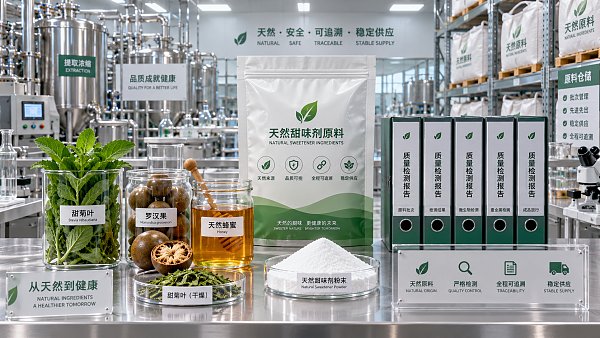
 Zero-Calorie Sweeteners & AcidulantsHow to Choose a Natural Sweeteners Supplier for Clean-Label ProductsNatural sweeteners supplier selection guide for clean-label products: compare formulation fit, traceability, documentation, and supply reliability.MORE+
 Non-ionic Surfactants & DefoamersWhat Cationic Surfactants Do and Where They Are UsedCationic Surfactants deliver antimicrobial action, conditioning, antistatic control, and surface treatment benefits. Explore key uses, compatibility, and safe selection tips.MORE+
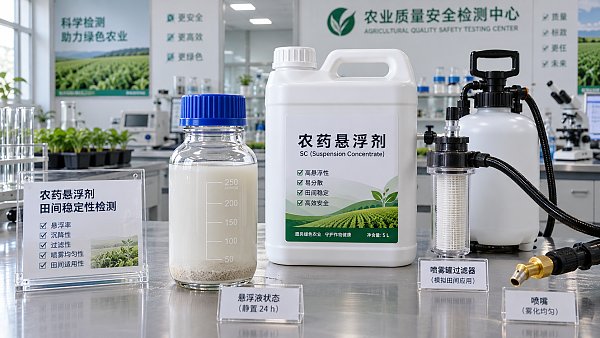
 Targeted Bio-pesticides & APIsHow to Evaluate Pesticide Suspension Concentrates for Field StabilityPesticide Suspension Concentrates: learn how to evaluate field stability, redispersibility, dilution, tank-mix compatibility, and spray safety for reliable performance.MORE+
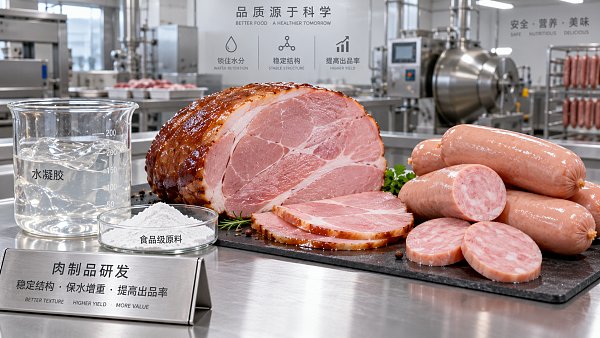
 Hydrocolloids & EmulsifiersHow Hydrocolloid Systems for Meat Products Improve Texture and YieldHydrocolloid systems for meat products improve yield, texture, water retention, and slicing quality. Explore practical formulation strategies for stable, high-performing meat products.MORE+
 Microencapsulated FragrancesHow Laundry Fragrances for Liquid Detergents Improve Scent LongevityLaundry fragrances for liquid detergents: discover how fragrance design, deposition, and encapsulation create lasting fabric freshness and stronger product appeal.MORE+
 Nano-microcapsule FormulationsChoosing Fragrance Preparations That Perform Well in Personal WashFragrance preparations for personal wash: learn how to select options that protect clarity, stability, foam, scent performance, and packaging compatibility.MORE+
 Controlled-Release ThermodynamicsModified Cyclodextrins Explained for Controlled Fragrance ReleaseModified cyclodextrins enable controlled fragrance release, odor control, and volatile-note protection. Explore how they optimize performance in detergents, fabric care, and more.MORE+
 Microencapsulated FragrancesHow Fragrance Delivery Systems Improve Fabric Softener LongevityFragrance delivery systems for fabric softeners improve scent longevity through smart protection, reliable deposition, and controlled release for lasting freshness.MORE+
 Supercritical CO2 Essential OilsHow to Evaluate a Natural Cardamom Oil Supplier for Reliable SupplyNatural cardamom oil supplier evaluation guide: verify botanical origin, purity, batch consistency, documentation, packaging, and delivery reliability for confident sourcing.MORE+
 Maillard Reaction Savory FlavorsHow Ethyl Maltol Purity Testing Supports Flavor Safety ComplianceEthyl Maltol purity testing strengthens flavor safety compliance through identity checks, impurity profiling, supplier verification, and audit-ready documentation.MORE+
 Microencapsulated FragrancesEssential Oil Extracts Compared for Fragrance and Wellness UsesEssential Oil Extracts compared for fragrance and wellness: explore scent profiles, extraction methods, stability, safety, and sourcing insights for smarter formulation choices.MORE+
 Zero-Calorie Sweeteners & AcidulantsWhat Drives Zero Calorie Sweeteners Bulk Price in 2026Zero calorie sweeteners bulk price in 2026: compare specifications, dosage, quality, freight, and supply risk to make smarter sourcing decisions.MORE+
 EPA FIFRA & FDA GRAS RegsSynthetic Food Preservatives Rules That Support Safer FormulasSynthetic Food Preservatives: learn the rules for safer formulas, compliant use levels, validated shelf life, labeling, and reliable microbial control.MORE+
 Micelle Fluidics & ChelationHow Anionic Industrial Dispersants Improve Coating StabilityAnionic industrial dispersants improve coating stability, pigment wetting, viscosity control, gloss, and storage performance. Learn how to select and test the right solution.MORE+
 Supercritical CO2 Essential OilsHow to Choose Eucalyptus Oil Grades for Clean, Consistent ProductsChoose the right Eucalyptus Oil grade with confidence. Compare cineole content, purity, origin, processing, documentation, and application fit for consistent products.MORE+
 Micelle Fluidics & ChelationWhat Are Cationic Surfactants and Where Are They Commonly Used?Cationic Surfactants deliver powerful surface affinity for disinfection, fabric softening, hair conditioning, antistatic control, and industrial treatments. Explore key uses and selection factors.MORE+