Do Detergent Builders Improve Cleaning Efficiency in Cold Water?
Do Detergent Builders Improve Cleaning Efficiency in Cold Water?
Do detergent builders increase cleaning efficiency in cold water? In many industrial, institutional, and household-cleaning applications, they can—but not simply because a builder has been added to the formula. The result depends on the incoming water, the soil being removed, the surfactant package, contact time, mechanical action, and the rinsing requirements of the process.
Cold-water cleaning is attractive for obvious operational reasons: lower energy demand, reduced thermal stress on fabrics and sensitive surfaces, and easier handling in facilities where heated wash systems are impractical. Yet lower temperature also makes cleaning chemistry less forgiving. Oils remain more viscous, some solid soils release more slowly, and surfactants may wet and mobilize contamination less efficiently than they do in warm water. This is where a properly selected detergent builder can make a noticeable difference.
The practical point is worth stating early: builders do not replace surfactants, solvents, enzymes, or mechanical action. They support the cleaning system by managing water hardness, maintaining useful alkalinity where appropriate, helping keep loosened soil dispersed, and reducing the chance that mineral salts or detached soil redeposit onto the cleaned surface.
Why cold water exposes weaknesses in a detergent formula
A detergent can appear effective in a warm laboratory wash and still disappoint in a real cold-water process. Temperature affects more than the speed of chemical reactions. It can influence surfactant solubility, soil viscosity, foam behavior, emulsification, and the ability of a wash liquor to carry released contamination away from the surface.
Consider a maintenance cleaner used on equipment with oily fingerprints, lubricating residues, and airborne particulate. In warm water, the surfactant system may spread rapidly and lift the oily layer with limited dwell time. In cold water, the same residue can be more resistant to wetting and breakup. If the water is also hard, calcium and magnesium ions may interact with certain surfactants or with fatty-acid-derived soil components, making the system still less efficient.
The familiar response is to increase surfactant dosage. That can work, but it is not always the economical or technically sound choice. More surfactant may create foam problems, leave rinse residue, complicate wastewater treatment, or create compatibility issues with preservatives, fragrances, defoamers, or other formulation components. A builder is often used to make the existing surfactant package work under more difficult conditions.
What detergent builders actually do
“Builder” is a functional description rather than a single chemical category. Depending on the formulation, a builder may soften water through sequestration or ion exchange, buffer pH, contribute alkalinity, disperse inorganic particles, or help prevent soil redeposition. Different builder chemistries emphasize different functions, so treating them as interchangeable is a common formulation mistake.
In hard water, calcium and magnesium are usually the first concern. These ions can reduce the efficiency of some surfactant systems and promote visible deposits or dullness on cleaned surfaces. Builders that bind or control those ions can leave more surfactant available for wetting, emulsifying, and soil transport. That support may be particularly valuable in cold water, where the surfactant system has less thermal assistance.
Builders can also improve the handling of particulate soil. Once pigments, clay, metal fines, food residues, or environmental dust have been lifted from a surface, the wash liquor must keep them suspended long enough for removal. Without adequate dispersion control, loosened soil can settle or redeposit—sometimes producing a surface that looks only slightly cleaner than before washing.
Alkaline builders deserve more careful treatment. Higher alkalinity can help with certain greasy, proteinaceous, or acidic soils, but “more alkaline” is not automatically “better.” On aluminum, galvanized surfaces, painted finishes, delicate textiles, and some electronic or precision-cleaning components, excessive alkalinity can damage the substrate, alter surface appearance, or create unacceptable residues. Cold water may reduce reaction speed, but it does not eliminate material-compatibility risk.
When builders make the biggest difference
Builders tend to provide the clearest benefit when a cold-water cleaning process faces hard or variable water, mixed soil loads, or a need to maintain performance at moderate detergent concentration. They are less likely to solve a problem caused by fundamentally poor surfactant selection, insufficient agitation, or a soil that requires a specific solvent or enzyme pathway.
In textile and laundry-related applications, builders are often discussed in relation to water hardness and whiteness maintenance. In institutional cleaning, the more immediate benefit may be consistent floor, kitchen, or washroom performance despite variations in local water supply. In metal processing, the priority may shift toward residue control, corrosion behavior, and compatibility with downstream coating or assembly. The builder decision should therefore begin with the cleaning process, not with a generic ingredient preference.
Choosing a builder is a formulation decision, not a checklist exercise
Common builder families include phosphates, carbonates, silicates, zeolites, citrate-based materials, and various chelating or polymeric dispersing agents. Each has trade-offs related to water solubility, alkalinity, mineral control, storage stability, residue profile, environmental considerations, and regional regulatory expectations. A formulator should resist the temptation to select solely on raw-material cost per kilogram.
For example, a highly alkaline inorganic builder may be useful in a robust degreasing system, but it may be unsuitable where low residue, low corrosion, or neutral-to-mild pH cleaning is required. A more soluble organic chelating approach may offer a different balance of hardness control and formulation flexibility, but the final choice still depends on the rest of the system. Preservatives, enzymes, fragrances, dyes, non-ionic surfactants, amphoteric surfactants, solvents, and defoamers can all behave differently once the ionic environment changes.
This is why bench stability testing alone is not enough. A formula that remains clear in a sample bottle may still perform poorly after dilution in hard water. Conversely, a formula with slight haze may clean well but fail a customer requirement for appearance or dosing consistency. Real-use testing should include the expected dilution ratio, lowest anticipated water temperature, worst-case water quality, representative soil, actual application method, and the intended rinse process.
A practical cold-water evaluation sequence
A useful evaluation starts with a basic question: what is preventing cleaning at low temperature? If the issue is mineral interference, builder selection may be central. If the issue is heavy hydrocarbon grease, the surfactant-solvent balance and mechanical action may matter more. If the problem is protein or starch residue, enzyme suitability, dwell time, and hygiene requirements may become the main variables.
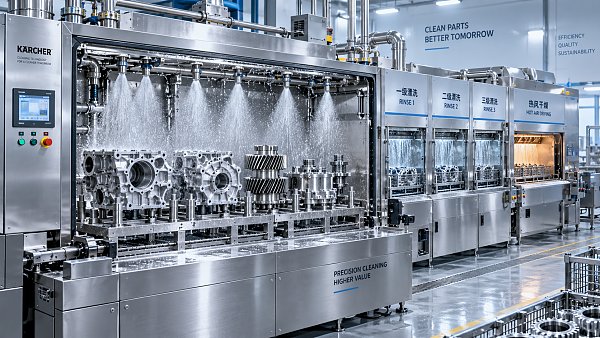
In practice, formulators often compare a base detergent against versions containing alternative builder systems under the same wash conditions. The comparison should look beyond immediate visual cleanliness. Observe foam during use, soil redeposition after drying, rinse clarity, surface streaking, bath stability, deposit formation, odor carryover, and any effect on the cleaned material. For industrial users, it is also sensible to watch what happens after the next process step. A cleaner that removes oil effectively but leaves a film that interferes with coating, bonding, printing, or assembly is not a successful cleaner.
The rinse stage is where good builder choices can be confirmed—or exposed
A builder-enhanced detergent may improve wash-stage performance while creating an unexpected rinse burden. This is especially relevant in high-purity industrial cleaning, food-contact-related processing equipment, and electronics or semiconductor-adjacent applications where residue control can be as important as soil removal. Solubility, ionic residue, water spotting, and compatibility with the final rinse water should be evaluated as part of one system.
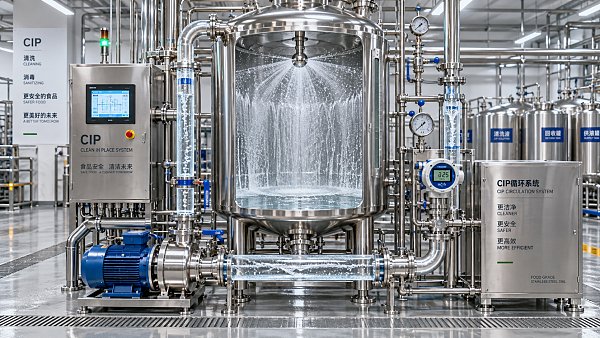
Foam deserves similar attention. Cold water can preserve foam longer, and some builders can alter the apparent behavior of a surfactant package. In manual cleaning, sustained foam may be perceived as useful even when it does not directly indicate detergency. In spray, circulation, clean-in-place, or automated parts-washing operations, excessive foam can reduce process control. A builder that improves hardness tolerance but destabilizes foam management may not be the right commercial answer.
Questions procurement and technical teams should ask suppliers
For buyers, comparing two builder-containing detergent systems only by active content or price can lead to misleading conclusions. The more useful discussion is about application fit. Technical documentation should clarify the intended pH range, recommended dilution conditions, compatibility limitations, storage conditions, and whether the material is designed primarily for sequestration, alkalinity, dispersion, or a combination of these functions.
It is also reasonable to ask how the supplier controls batch consistency, what impurity or moisture variation may matter to the formulation, and whether the packaging protects the material from moisture pickup or degradation during storage and transport. These concerns are not administrative details. A builder that changes flowability, dissolves slowly, or varies in effective performance can create production problems long before the finished cleaner reaches the end user.
Platforms such as the Global Fine Chemicals & Agrochemical Intelligence Network (FCAS) are useful in this stage because detergent ingredients should be assessed as application components, not just chemical names. For industrial surfactants, dispersants, wetting agents, defoamers, specialty solvents, and high-purity cleaning materials, the relevant questions connect product chemistry with soil removal, rinse behavior, material compatibility, documentation readiness, and supply reliability.
The bottom line for cold-water detergency
Detergent builders can improve cleaning efficiency in cold water, particularly where hardness minerals, particulate soil, redeposition, or limited surfactant effectiveness are holding the formula back. Their value is greatest when they are matched to the water profile and cleaning task rather than added as a standard ingredient.
The best cold-water formula is rarely the one with the strongest builder or the highest surfactant level. It is the one that removes the target soil at the required temperature, rinses acceptably, protects the substrate, remains stable through storage and dilution, and works consistently with the water actually available at the site. Before changing a detergent package, test the complete system under real cold-water conditions. That is usually where the useful answer appears.
Related News
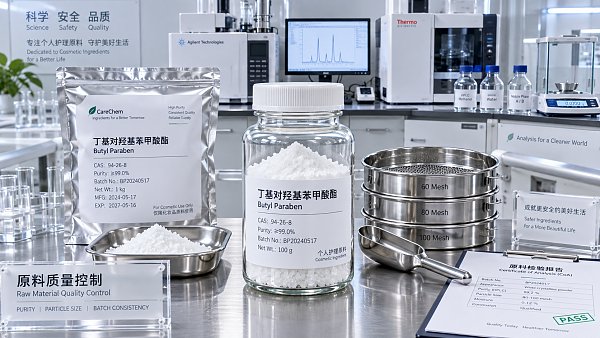
 Antioxidants & Natural PreservativesWhat Quality Checks Matter When Sourcing Butylparaben for Personal CareButylparaben for personal care sourcing guide: compare assay, impurities, physical performance, documentation, traceability, and supplier quality to reduce formulation risk.MORE+
 Nano-microcapsule FormulationsHow Encapsulated Flavors Protect Taste During Processing and StorageEncapsulated Flavors protect taste from heat, oxygen, moisture, and storage loss. Explore smarter release, carrier selection, and processing strategies.MORE+
 Chelated Trace Element FertilizersHow Greenhouse Fertigation Systems Reduce Water and Fertilizer WasteGreenhouse fertigation systems reduce water and fertilizer waste with precise dosing, uniform irrigation, drainage monitoring, and smarter crop-zone control. Learn practical strategies.MORE+
 Supercritical CO2 Essential OilsHow Natural Essential Oil Blends Improve Consistent Product FragranceNatural essential oil blends help brands achieve consistent, appealing fragrance across batches. Explore smart blend design, stability testing, and product compatibility strategies.MORE+
 Non-ionic Surfactants & DefoamersHow to Choose Non Ionic Low Foaming Surfactants for CIP CleaningNon ionic low foaming surfactants for CIP cleaning: learn how to balance wetting, foam control, compatibility, and rinseability for reliable cleaning performance.MORE+
 Nano-microcapsule FormulationsHow Food Grade Cyclodextrin Complexes Protect Sensitive FlavorsFood grade cyclodextrin inclusion complexes help protect sensitive flavors from oxidation, evaporation, and processing loss while supporting controlled release and consistent sensory quality.MORE+
 Polymer-Coated Water Soluble NPKHow Fertilizer Coating Polymers Improve NPK Granule ReleaseFertilizer coating polymers for NPK granules improve controlled nutrient release, reduce loss risks, and enhance product consistency. Discover key selection and process insights.MORE+
 Chelated Trace Element FertilizersWhat Diammonium Phosphate Means for Crop Nutrition PlanningDiammonium Phosphate: learn how DAP supports early phosphorus access, nitrogen budgeting, smart placement, and balanced crop nutrition planning.MORE+
 Maillard Reaction Savory FlavorsHow to Assess a Flavor Bases Supplier List for Reliable SourcingGlobal Fine Chemicals & Agrochemical Intelligence Network flavor bases supplier list: assess specs, samples, supply risk, and true cost to source with confidence.MORE+
 Hydrocolloids & EmulsifiersHow Konjac Gum Powder Improves Texture in Low-Calorie FoodsKonjac gum powder improves body, stability, and mouthfeel in low-calorie foods. Discover practical tips for smoother sauces, beverages, and reduced-fat formulations.MORE+
 Supercritical CO2 Essential OilsWhat to Check Before Choosing a Botanical Essential Oils ManufacturerChoose a botanical essential oils manufacturer with confidence. Explore key checks for purity, traceability, compliance, batch consistency, and reliable supply.MORE+
 Microencapsulated FragrancesHow Fragrance Carriers for Detergents Improve Scent PerformanceFragrance carriers for detergents improve stability, fabric deposition, and long-lasting scent. Explore practical solutions for better wash-to-wear fragrance performance.MORE+
 Antioxidants & Natural PreservativesWhen Propyl Gallate Antioxidant Is the Right Choice for Oil StabilityPropyl gallate antioxidant: learn when it is the right choice for oil stability, shelf-life protection, processing compatibility, and smarter formulation decisions.MORE+
 Antioxidants & Natural PreservativesHow Potassium Sorbate Extends Shelf Life in Food and Beverage ProductsPotassium Sorbate helps food and beverage brands control yeast and mold spoilage. Explore pH, dosage, processing, and packaging strategies for reliable shelf life.MORE+
 Antioxidants & Natural PreservativesHow to Source Bulk Herbal Extracts With Reliable Quality ControlBulk herbal extracts sourcing guide: compare suppliers, verify traceability, review CoAs, and build reliable quality controls for safer, consistent purchasing.MORE+
 Antioxidants & Natural PreservativesWhat to Check Before Sourcing Butylparaben for Personal Care FormulasButylparaben for personal care sourcing guide: check market eligibility, purity, supplier controls, formula compatibility, packaging, and total risk before buying.MORE+
 Targeted Bio-pesticides & APIsChoosing Microbial Fungicides for Foliar Diseases in Integrated Crop ProgramsMicrobial fungicides for foliar diseases: learn how to match biology, formulation, tank compatibility, and timing for stronger integrated crop protection.MORE+
 Targeted Bio-pesticides & APIsHow Microbial Insecticides Control Caterpillars With Lower Crop Residue RiskMicrobial insecticides for caterpillars help protect crops with targeted early-larval control and lower residue-management pressure. Learn timing, coverage, compliance, and scouting essentials.MORE+
 Microencapsulated FragrancesHow to Add Encapsulated Laundry Fragrances Without Weakening Wash ResultsEncapsulated laundry fragrances: learn how to boost long-lasting scent while protecting cleaning power, stability, foam control, and fabric care.MORE+
 Supercritical CO2 Essential OilsHow Aroma Ingredients Shape Lasting and Skin-Safe Personal Care ProductsAroma ingredients for personal care: discover how to achieve lasting scent, formulation stability, skin safety, and confident product performance.MORE+
 Targeted Bio-pesticides & APIsInsecticides Explained Through Labels, Active Ingredients, and SafetyInsecticides explained through labels, active ingredients, formulations, and safety. Learn how to compare products, manage risk, and make informed crop protection decisions.MORE+
 Heavy-duty Industrial DegreasersHow to Select Parts Wash Cleaners for Automotive ComponentsParts wash cleaners for automotive components: learn how to match chemistry, materials, rinsing, safety, and waste controls for reliable cleaning results.MORE+
 Chelated Trace Element FertilizersHow Precision Fertigation Systems Improve Water and Nutrient ControlPrecision fertigation systems improve water and nutrient control with accurate dosing, uniform irrigation, smart monitoring, and reduced waste. Discover how to optimize crop performance.MORE+
 Hydrocolloids & EmulsifiersHow Bulk Price Factors Affect Hydrocolloid Stabilizer Blend SourcingHydrocolloid stabilizer blends bulk price: compare dosage efficiency, quality consistency, logistics, and documentation to reduce total sourcing costs.MORE+
 Zero-Calorie Sweeteners & AcidulantsHow to Choose a Natural Sweeteners Supplier for Clean-Label ProductsNatural sweeteners supplier selection guide for clean-label products: compare formulation fit, traceability, documentation, and supply reliability.MORE+
 Non-ionic Surfactants & DefoamersWhat Cationic Surfactants Do and Where They Are UsedCationic Surfactants deliver antimicrobial action, conditioning, antistatic control, and surface treatment benefits. Explore key uses, compatibility, and safe selection tips.MORE+
 Targeted Bio-pesticides & APIsHow to Evaluate Pesticide Suspension Concentrates for Field StabilityPesticide Suspension Concentrates: learn how to evaluate field stability, redispersibility, dilution, tank-mix compatibility, and spray safety for reliable performance.MORE+
 Hydrocolloids & EmulsifiersHow Hydrocolloid Systems for Meat Products Improve Texture and YieldHydrocolloid systems for meat products improve yield, texture, water retention, and slicing quality. Explore practical formulation strategies for stable, high-performing meat products.MORE+
 Microencapsulated FragrancesHow Laundry Fragrances for Liquid Detergents Improve Scent LongevityLaundry fragrances for liquid detergents: discover how fragrance design, deposition, and encapsulation create lasting fabric freshness and stronger product appeal.MORE+
 Nano-microcapsule FormulationsChoosing Fragrance Preparations That Perform Well in Personal WashFragrance preparations for personal wash: learn how to select options that protect clarity, stability, foam, scent performance, and packaging compatibility.MORE+
 Controlled-Release ThermodynamicsModified Cyclodextrins Explained for Controlled Fragrance ReleaseModified cyclodextrins enable controlled fragrance release, odor control, and volatile-note protection. Explore how they optimize performance in detergents, fabric care, and more.MORE+
 Microencapsulated FragrancesHow Fragrance Delivery Systems Improve Fabric Softener LongevityFragrance delivery systems for fabric softeners improve scent longevity through smart protection, reliable deposition, and controlled release for lasting freshness.MORE+
 Supercritical CO2 Essential OilsHow to Evaluate a Natural Cardamom Oil Supplier for Reliable SupplyNatural cardamom oil supplier evaluation guide: verify botanical origin, purity, batch consistency, documentation, packaging, and delivery reliability for confident sourcing.MORE+
 Maillard Reaction Savory FlavorsHow Ethyl Maltol Purity Testing Supports Flavor Safety ComplianceEthyl Maltol purity testing strengthens flavor safety compliance through identity checks, impurity profiling, supplier verification, and audit-ready documentation.MORE+
 Microencapsulated FragrancesEssential Oil Extracts Compared for Fragrance and Wellness UsesEssential Oil Extracts compared for fragrance and wellness: explore scent profiles, extraction methods, stability, safety, and sourcing insights for smarter formulation choices.MORE+
 Zero-Calorie Sweeteners & AcidulantsWhat Drives Zero Calorie Sweeteners Bulk Price in 2026Zero calorie sweeteners bulk price in 2026: compare specifications, dosage, quality, freight, and supply risk to make smarter sourcing decisions.MORE+
 EPA FIFRA & FDA GRAS RegsSynthetic Food Preservatives Rules That Support Safer FormulasSynthetic Food Preservatives: learn the rules for safer formulas, compliant use levels, validated shelf life, labeling, and reliable microbial control.MORE+
 Micelle Fluidics & ChelationHow Anionic Industrial Dispersants Improve Coating StabilityAnionic industrial dispersants improve coating stability, pigment wetting, viscosity control, gloss, and storage performance. Learn how to select and test the right solution.MORE+
 Supercritical CO2 Essential OilsHow to Choose Eucalyptus Oil Grades for Clean, Consistent ProductsChoose the right Eucalyptus Oil grade with confidence. Compare cineole content, purity, origin, processing, documentation, and application fit for consistent products.MORE+
 Micelle Fluidics & ChelationWhat Are Cationic Surfactants and Where Are They Commonly Used?Cationic Surfactants deliver powerful surface affinity for disinfection, fabric softening, hair conditioning, antistatic control, and industrial treatments. Explore key uses and selection factors.MORE+