Which Quality Checks Matter When Sourcing Alkaline Degreasers?
A low purchase price means little if an alkaline degreaser damages parts, leaves residues, or needs frequent replacement. For procurement teams evaluating an alkaline degreasers manufacturer, the real question is whether the product delivers repeatable cleaning at an acceptable operating cost—not whether a sample looks clear and has a high pH.
Useful quality checks connect the supplier’s specifications with your production conditions. Cleaning performance, alkalinity control, material compatibility, foam behavior, rinseability, and batch consistency all matter, but their priority depends on the application. A spray washer cleaning steel components needs a different evaluation from a manual maintenance bath or a precision-cleaning process before coating.
Define the cleaning job before comparing quotations
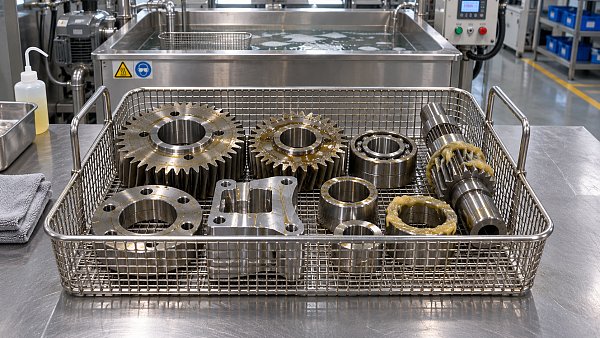
Suppliers cannot recommend a meaningful dilution or acceptance specification without understanding the process. “Removes industrial grease” is too broad: fresh machining oil, oxidized lubricant, polishing compound, and carbonized deposits respond differently to alkaline chemistry.
Prepare a short application brief covering:
- Soils: their composition, loading, age, and whether they are mixed with particles or metal fines.
- Surfaces: all metals, coatings, plastics, seals, and other materials exposed to the solution.
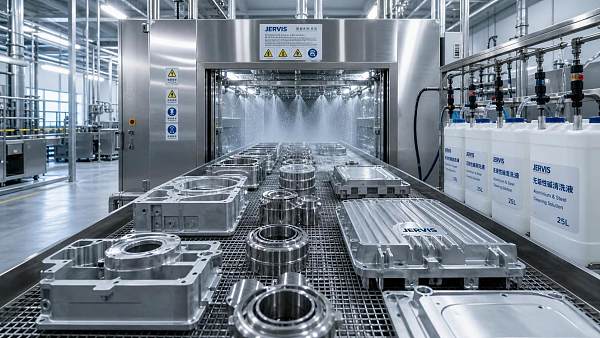
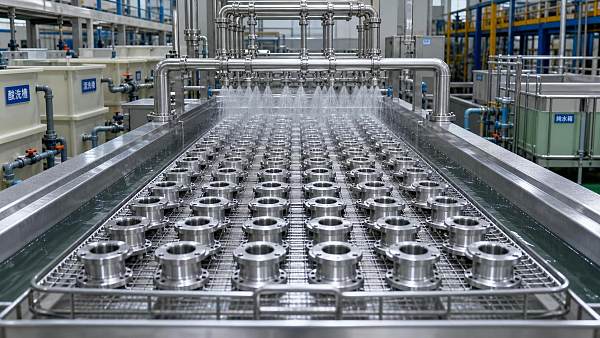
- Equipment: immersion, ultrasonic, spray, recirculating, or manual cleaning.
- Operating conditions: dilution, temperature, contact time, agitation, and available rinse stages.
- Water and downstream requirements: water hardness, coating or bonding needs, and wastewater constraints.
Ask suppliers to quote against this same brief. Otherwise, one quotation may assume heated cleaning at a stronger concentration while another assumes ambient use. The prices appear comparable; the proposed processes are not.
Prove soil removal at the intended working dilution
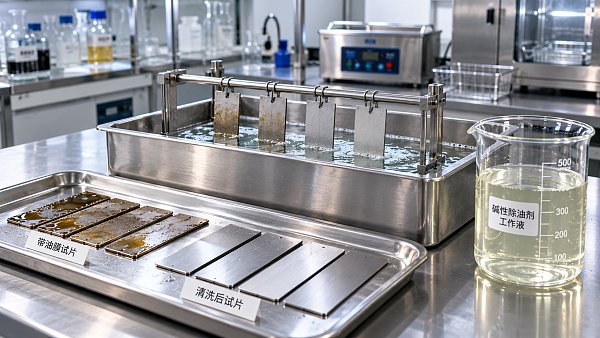
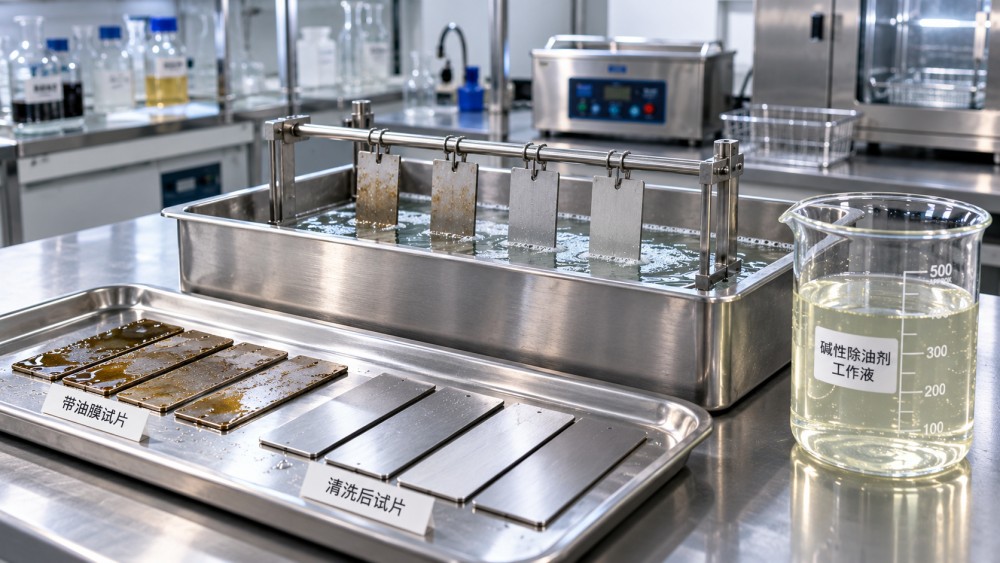
Cleaning performance should carry more weight than concentrate appearance or marketing descriptions. Request a test using representative parts or coupons, actual production soil where practical, and your intended process conditions. Include the current cleaner as a benchmark if one is available.
The protocol should control soil loading, aging time, solution concentration, temperature, exposure time, and mechanical action. Record how the dilution is prepared: a percentage by mass is not necessarily equivalent to the same percentage by volume.
Visual inspection is useful, but it should not be the only measurement. Depending on the application, suitable checks may include gravimetric soil removal, water-break behavior, residue analysis, or downstream coating adhesion. No single method proves complete cleanliness. A water-break-free surface, for example, does not establish the absence of every contaminant.
A fresh laboratory solution can make several products look equally capable. Differences often emerge after contamination accumulates. Test whether removed oil remains dispersed, separates for skimming, or redeposits onto parts. Strong emulsification may suit one process but complicate oil separation in another.
Read pH alongside alkalinity—not instead of it
pH is a useful screening parameter, but it is not a complete measure of cleaning strength or bath capacity. Two degreasers can have similar pH values while containing different levels of caustic, builders, surfactants, chelants, or corrosion inhibitors.
Request pH specifications with the measurement conditions stated, including dilution and temperature. For highly alkaline concentrates, direct pH measurements can be method-sensitive and offer limited value for distinguishing products.
Titratable alkalinity provides additional information about the formulation’s alkaline reserve. Ask for the titration method, endpoint, calculation, and acceptance range. Where relevant, free and total alkalinity can help characterize the product, but the interpretation depends on the formulation.
Procurement should also confirm how operators will control the working bath. A supplier may recommend titration, conductivity, or another concentration method. Any indirect measurement needs validation against temperature, water quality, and contamination. Conductivity alone may not reliably distinguish useful cleaner from accumulated salts.
The practical question is simple: can your team keep the bath within its effective range without routinely overdosing? A low-priced product becomes expensive if its concentration is difficult to monitor.
Make material compatibility a release condition
A compatibility failure can cost far more than the chemical purchase. Strong alkaline solutions may attack aluminum, zinc, and other sensitive materials; inhibited formulations can behave differently, but their suitability still requires verification.
Test actual alloys and surface finishes at the intended concentration, temperature, and exposure time. Include a realistic extended exposure where production stoppages could leave parts submerged. Look for discoloration, etching, pitting, dimensional change, mass loss, and changes in surface quality.
Do not restrict this review to the part being cleaned. Pump seals, hoses, tank linings, spray nozzles, and fixtures also contact the cleaner. Compatibility statements should identify the material and conditions evaluated rather than simply describing the product as “metal safe.”
For corrosion-sensitive components, inspect after rinsing and drying as well as immediately after cleaning. Flash rust or staining may appear later. Conversely, a protective film that benefits storage may interfere with painting, plating, or adhesive bonding.
Check foam and rinseability in the equipment that will use them
A shake test can flag excessive foam, but it does not reproduce a recirculating spray washer. Foam depends on temperature, turbulence, water quality, soil loading, and the surfactant system. Some low-foam formulations also behave differently during cold startup than at operating temperature.
Ask for dynamic foam testing relevant to the equipment. During a trial, watch for persistent foam, pump instability, overflow, and reduced spray effectiveness. Record any defoamer additions: they affect cost, bath control, and potentially downstream residue.
Rinsing deserves its own acceptance criteria. A surface can look clean yet retain surfactants, silicates, salts, or loosened soil. Assess the product using the available rinse-water quality, temperature, flow, and number of stages—not an unlimited laboratory rinse.
- Before coating or bonding: verify the required surface condition and downstream performance.
- For precision applications: define relevant residue or ionic contamination limits and suitable analytical methods.
- For general maintenance: check streaking, slippery films, drying behavior, and post-cleaning corrosion.
Where food-contact equipment is involved, confirm that the intended use, rinsing instructions, and local requirements are satisfied. A general “food industry” claim does not establish suitability for every surface or cleaning procedure.
Ask an alkaline degreasers manufacturer for evidence of consistency
Once a sample passes, the next concern is whether routine deliveries will behave the same way. The approved sample should become a documented reference, not an informal promise.
Agree on a specification that includes relevant identity and consistency checks. Depending on the formulation, these may include appearance, density, pH at a stated dilution, titratable alkalinity, solids content, and selected component or performance tests. Not every parameter belongs on every specification; each should help detect a meaningful deviation.
Request certificates of analysis from several recent production batches, with confidential customer details removed if necessary. Numerical results are more informative than a page containing only “pass,” although some attributes are appropriately reported qualitatively. Confirm which tests are performed on every batch and which are periodic validation checks.
Supplier qualification should also cover:
- Lot identification and traceability from raw materials through finished packaging.
- Retained samples and a defined complaint-investigation procedure.
- Calibration and control of relevant production and laboratory equipment.
- Notification of significant raw-material, formulation, manufacturing-site, or specification changes.
- Technical support for concentration control and process troubleshooting.
A management-system certificate may support supplier evaluation, but it does not replace product-specific evidence. Equally, an SDS describes hazards and handling; it is not proof of cleaning performance.
Do not leave stability, packaging, and compliance until shipment
Examine the concentrate for separation, sediment, crystallization, or unexpected viscosity changes under anticipated storage conditions. Ask for supporting shelf-life data and storage instructions. Accelerated testing can inform an assessment, but it should not be treated as a universal substitute for real-time stability evidence.
For cold-weather transport, establish whether freezing causes irreversible damage and whether any recovery procedure has been validated. Also check dilution stability in your process water. Hardness-related precipitation can foul equipment or create residues even when the concentrate remains stable.
Packaging must be compatible with the formulation and suitable for handling and transport. Confirm closure integrity, label durability, container size, dispensing arrangements, and applicable dangerous-goods requirements. A bulk container that lowers freight cost may introduce transfer or storage difficulties at the receiving site.
Obtain a current SDS, technical data sheet, agreed specification, and relevant destination-market compliance information. Review worker exposure controls and wastewater implications with the responsible teams. Phosphates, chelants, solvents, surfactants, and removed contaminants may affect treatment performance or discharge permissions; “water-based” does not mean unrestricted disposal.
Translate trial results into cost per acceptable part
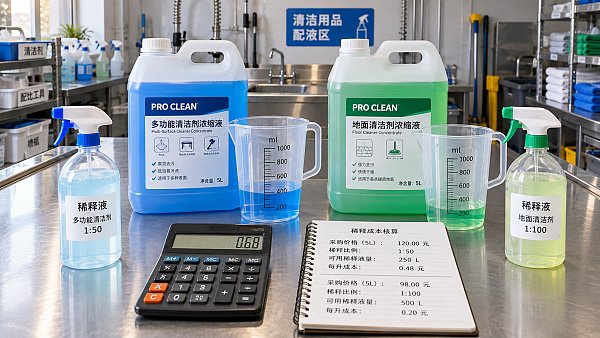
The most useful purchasing comparison includes chemical use, bath replacement, heating, rinsing, labor, waste treatment, and quality losses. Compare candidates at the conditions needed to meet the same cleanliness standard.
Total cleaning cost per acceptable part = total process-related cleaning cost ÷ number of parts meeting the agreed requirement.
Use measured consumption rather than nominal dilution alone. Drag-out, replenishment practice, soil loading, and bath dumping can change consumption substantially. A concentrate with a higher unit price may cost less in operation, but only trial evidence can support that conclusion.
Before committing to a volume order, run a controlled production trial with written acceptance criteria and clear stop conditions for corrosion, residue, foam, or cleaning failure. Agree who will collect data, how parts will be inspected, and what triggers replenishment or bath replacement.
The strongest sourcing decision ends with an approved operating window, a supplier specification, incoming acceptance checks, and change-notification requirements. That gives procurement something more dependable than a successful sample: a repeatable basis for buying, using, and controlling the cleaner.
Facing technical bottlenecks in manufacturing or looking for more efficient industrial solutions? Leave your details below and let the engineering experts at FCAS solve them for you.
We respect your privacy. Your information is strictly confidential.
Related News
 Heavy-duty Industrial DegreasersHow Do Water Based Degreasing Surfactants Remove Industrial Grease?Water based degreasing surfactants lift industrial grease and help prevent redeposition. Learn how to select and test an effective cleaning process.MORE+
 Heavy-duty Industrial DegreasersHow to Choose Parts Wash Cleaners for Spray WashersChoose parts wash cleaners for spray washers with confidence. Compare cleaning power, material compatibility, foam control, safety, and supplier support.MORE+
 Heavy-duty Industrial DegreasersHow to Choose Industrial Metal Degreasers for Your ProcessChoose industrial metal degreasers with confidence. Compare cleaning chemistries, metal compatibility, equipment needs and trial methods for reliable results.MORE+
 Heavy-duty Industrial DegreasersChina to Continue Countervailing Duties on US-Origin n-PropanolChina extends countervailing duties on US-origin n-propanol for five years from November 6, 2026. Explore the rates and potential sourcing implications.MORE+
 Heavy-duty Industrial DegreasersHow to Choose Metal Degreasing Cleaners for Different SoilsChoose Metal Degreasing Cleaners for oils, grease, waxes and baked-on soils. Discover how to protect components, improve cleaning and avoid costly residue.MORE+
 Heavy-duty Industrial DegreasersHow to Compare Cleaner Concentrates Wholesale by Cost per UseCompare cleaner concentrates wholesale by true cost per use—not drum price. Learn how dilution, labor, and waste affect savings so you can choose the best-value supplier.MORE+
 Heavy-duty Industrial DegreasersShrieve Chemical Acquires Alabama-Based RSG to Expand US Southeast ReachShrieve Chemical acquires Alabama-based RSG to expand its US Southeast reach. Explore what the deal could mean for specialty chemical supply and regional customer service.MORE+
 Heavy-duty Industrial DegreasersWhich Quality Checks Matter When Sourcing Alkaline Degreasers?Evaluating an alkaline degreasers manufacturer? Discover key quality checks for cleaning performance, material compatibility, and batch consistency to source confidently and cut costs.MORE+
 Heavy-duty Industrial DegreasersHow to Choose Metal Cleaning Chemicals for Pretreatment Before CoatingChoose metal cleaning chemicals for pretreatment that match your substrate, soils, and coating line. Learn how to validate performance, reduce defects, and lower cost per accepted part.MORE+
 Heavy-duty Industrial DegreasersHow to Select Parts Wash Cleaners for Automotive ComponentsParts wash cleaners for automotive components: learn how to match chemistry, materials, rinsing, safety, and waste controls for reliable cleaning results.MORE+
 Heavy-duty Industrial DegreasersHow to Qualify a Solvent Degreasers Manufacturer for Industrial CleaningQualify a solvent degreasers manufacturer with proven batch control, safety documentation, compatibility testing, and process-specific cleaning performance.MORE+
 Heavy-duty Industrial DegreasersHow Zeolite Detergent Builders Improve Cleaning at Lower DosageZeolite detergent builders help improve hardness control, protect surfactant efficiency, and support effective cleaning at lower detergent dosage. Explore key formulation factors and testing insights.MORE+
 Heavy-duty Industrial DegreasersHow Fast Drying Degreasing Solvents Reduce Cleaning Cycle TimesFast drying degreasing solvents cut cleaning cycle times by improving evaporation, reducing residue risks, and enabling faster production handoffs. Learn how to choose the right solution.MORE+
 Heavy-duty Industrial DegreasersSelecting Degreasing Surfactants for Hard Surface CleanersDegreasing surfactants for hard surface cleaners: learn how to match soil, foam, rinseability, and material compatibility for reliable cleaning performance.MORE+
 Heavy-duty Industrial DegreasersHow Degreasing Surfactants Improve Performance in Heavy-Duty CleaningDegreasing Surfactants improve heavy-duty cleaning by lifting oils, controlling redeposition, and supporting cleaner rinses. Explore practical selection and process tips.MORE+
 Heavy-duty Industrial DegreasersHow to Evaluate an Industrial Cleaning Auxiliaries ManufacturerEvaluate an industrial cleaning auxiliaries manufacturer by performance, batch consistency, documentation, technical support, and supply reliability.MORE+
 Heavy-duty Industrial DegreasersWhat to Compare When Selecting a Cleaning Chemicals ManufacturerCompare a cleaning chemicals manufacturer by performance, compliance, batch consistency, technical support, and total applied cost to choose a reliable supplier.MORE+
 Heavy-duty Industrial DegreasersWhat to Compare When Buying Degreasing Solvents Wholesale in 2026Degreasing solvents wholesale guide for 2026: compare cleaning yield, safety, VOC status, total operating cost, specifications, and supplier reliability before buying.MORE+
 Heavy-duty Industrial DegreasersHow to Evaluate a Degreasing Surfactants Factory for Industrial CleaningDegreasing surfactants factory evaluation guide: compare cleaning performance, foam control, quality consistency, documentation, compatibility, and supply reliability.MORE+
 Heavy-duty Industrial DegreasersHow to Choose Parts Wash Cleaners for Automotive Components Without DamageParts wash cleaners for automotive components: learn how to remove oils and residues while protecting metals, plastics, seals, coatings, and downstream assembly performance.MORE+
 Heavy-duty Industrial DegreasersWhat to Check Before Choosing a Metal Degreasers SupplierChoose a reliable metal degreasers supplier with confidence. Learn what to assess in performance, compatibility, corrosion control, SDS, and support.MORE+
 Heavy-duty Industrial DegreasersHow to Evaluate a Solvent Degreasers Manufacturer Before OrderingSolvent degreasers manufacturer evaluation guide: assess cleaning performance, batch consistency, compliance, packaging, and supply reliability before ordering.MORE+
 Heavy-duty Industrial DegreasersHow to Evaluate a Metal Degreasers Manufacturer for Reliable SupplyMetal degreasers manufacturer evaluation guide: compare formulation control, material compatibility, compliance, supply reliability, and total cost to choose a dependable industrial cleaning partner.MORE+
 Heavy-duty Industrial DegreasersHow to Evaluate Degreasing Solvents Bulk Price Without Hidden Cost SurprisesDegreasing solvents bulk price is only part of the real cost. Learn how to compare purity, logistics, compliance, and supplier reliability to avoid hidden expenses and buy with confidence.MORE+
 Heavy-duty Industrial DegreasersHow Caustic Free Alkaline Degreasers Improve Safety and CleaningCaustic free alkaline degreasers improve safety while delivering reliable grease removal. Learn how they reduce handling risks, protect surfaces, and support cleaner, more consistent industrial processes.MORE+
 Heavy-duty Industrial DegreasersHow Acidic Metal Cleaning Chemicals Reduce Rework and Maintenance CostsAcidic metal cleaning chemicals help cut rework and maintenance costs by removing oxides, scale, and residues more effectively, improving process stability and reducing downstream defects.MORE+