Selecting Degreasing Surfactants for Hard Surface Cleaners
A hard-surface cleaner can look effective in a beaker yet leave a maintenance team dissatisfied on the floor, at a metal workbench, or around processing equipment. The usual complaints are familiar: oily fingerprints remain after wiping, a lubricant film spreads rather than lifts, rinse water turns cloudy, foam interferes with a scrubber, or a cleaned surface feels tacky after drying. These are rarely solved by choosing the surfactant with the highest apparent detergency alone.
Selecting degreasing surfactants for hard surface cleaners starts with matching the surfactant system to the soil, the surface, the cleaning method, and the required finish. A strong degreaser for heavy mineral oil may be unsuitable for polished aluminum, low-foam equipment cleaning, or a residue-sensitive electronic assembly area. The most reliable selection process evaluates wetting, emulsification, soil suspension, foam, rinseability, material compatibility, and the role of builders or solvents as one working system.
Start with the soil, not the surfactant label
“Grease” describes several different cleaning challenges. Light machine oil, cooking oil, waxy soil, polymerized lubricant, carbonized food residues, hand soil, and metalworking fluids do not respond in the same way. A formulation that removes fresh hydraulic oil may perform poorly against aged, heat-set grease because the latter has become more viscous, partially oxidized, or bonded to particulate matter.
Before comparing candidates, define what is actually present on the surface. This step prevents a common error: treating all visible oily deposits as a simple oil-in-water emulsification problem.
- Fresh nonpolar oils and lubricants usually require rapid wetting, interfacial displacement, and enough emulsification to keep released oil from redepositing.
- Waxy or fatty soils often need cleaning at an appropriate temperature, a surfactant with good solubilization behavior, and sometimes a compatible solvent or alkaline builder.
- Particulate-oil mixtures, such as shop dust combined with grease, need dispersion as well as oil removal. Otherwise, particles can settle back onto the cleaned surface.
- Burned-on or aged residues may need more than surfactant adjustment. Contact time, alkalinity, temperature, mechanical action, or a different cleaning chemistry can matter more.
- Metalworking fluid residues can include emulsifiers, corrosion inhibitors, biocides, salts, and hard-water deposits. A cleaner designed only for oil may leave an inorganic film behind.
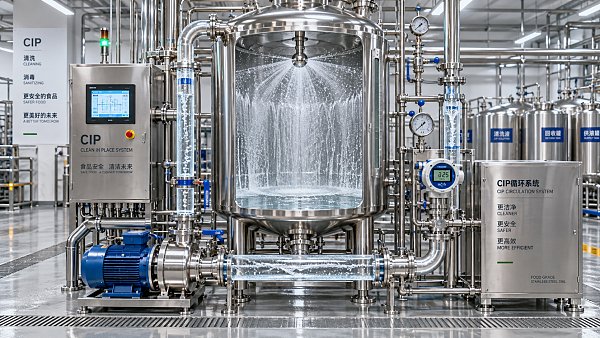
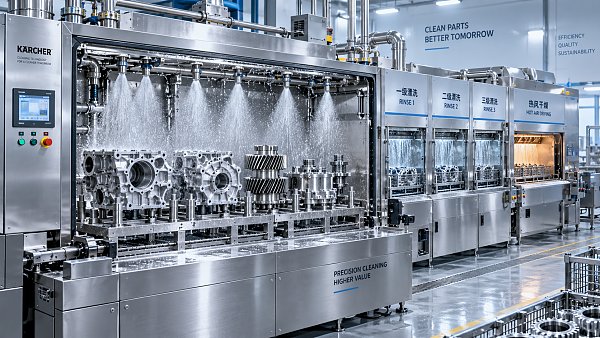
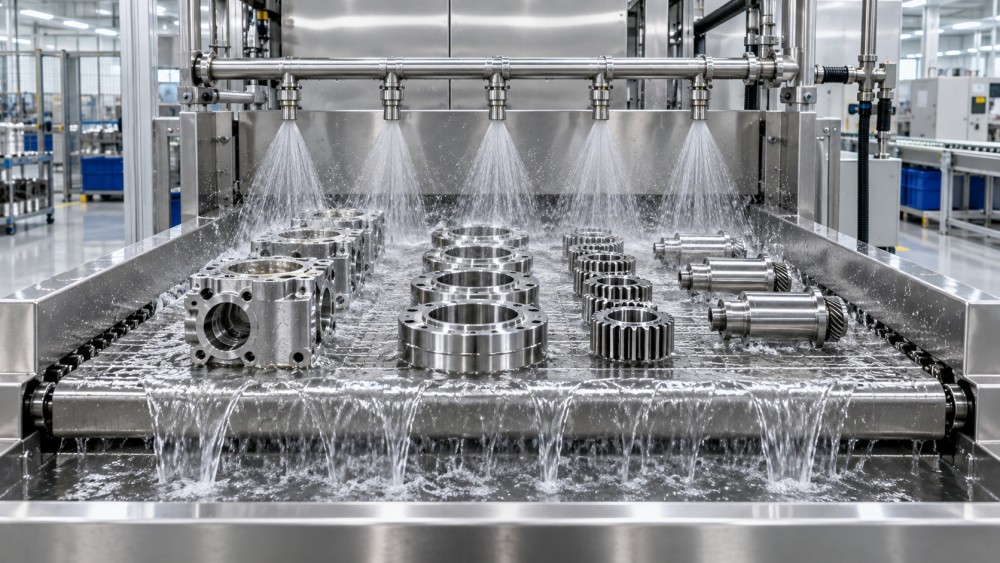
It also helps to identify how the cleaner will be used. A spray-and-wipe cleaner has limited dwell time and depends heavily on quick wetting. A soak tank allows slower penetration and can tolerate a different foam profile. An automatic floor scrubber, parts washer, or clean-in-place process may require foam suppression and excellent rinsing more than visible foam or fragrance-like user cues.
The surfactant’s job changes during cleaning
Degreasing is not one event. The formulation must first spread over the contaminated surface, penetrate the boundary between soil and substrate, loosen the deposit, break the soil into transportable droplets or particles, prevent redeposition, and rinse away without leaving a film. A surfactant that performs one stage well can still fail the complete cleaning cycle.
Wetting is especially important on low-energy or uneven surfaces. Without good spreading, the active ingredients may remain in droplets and contact only part of the soil. Lower surface tension can improve coverage, but extreme wetting is not automatically beneficial. On vertical surfaces, excessive flow may shorten contact time. On porous materials, deep penetration can drive oily contamination into the substrate instead of lifting it out.
Once the surfactant reaches the soil interface, its hydrophobic portion associates with oil while its hydrophilic portion interacts with the water phase. This helps detach and disperse the soil. The chemistry behind this behavior differs among nonionic, anionic, amphoteric, and specialty surfactants, so performance cannot be inferred from one broad ingredient category.
The table is a starting framework rather than a substitute for testing. Two nonionic surfactants can differ substantially in hydrophilic-lipophilic balance, cloud point, molecular structure, oil handling, and rinse profile. The same applies to blends. A surfactant system is often selected because it balances several constraints, not because it belongs to a preferred chemical class.
Use the application conditions to narrow the choice
Technical evaluation becomes more efficient when the operating window is defined early. Temperature is one of the first conditions to establish. Warm cleaning can reduce oil viscosity and improve removal, but it can also alter solubility, foam, clouding behavior, and the stability of an emulsion. A surfactant that is clear and active at room temperature may change behavior in a heated wash bath.
Water quality deserves similar attention. Calcium and magnesium salts may reduce the performance of certain surfactants, affect soil suspension, or contribute to deposits after drying. In hard-water applications, a builder, chelating approach, or surfactant system with appropriate electrolyte tolerance may be needed. High levels of salts can also change viscosity, phase stability, and foam, particularly in concentrated products diluted by the user.
pH is not merely a preservative or labeling choice. Alkaline conditions can help saponify or swell some fatty soils and improve removal of certain oils. However, elevated alkalinity may damage aluminum, zinc, galvanized steel, painted surfaces, some plastics, or sensitive coatings. A surfactant that appears underpowered in a neutral formula may work well in a moderately alkaline system; conversely, increasing alkalinity may solve soil removal while creating unacceptable corrosion or surface dulling.
Mechanical action changes the required surfactant profile. Hand wiping benefits from fast wetting and controlled glide. Spray cleaning requires droplet behavior and dwell time appropriate to the surface orientation. Ultrasonic, immersion, or recirculating systems can expose the formula to greater shear, temperature variation, and foam generation. A low-foam surfactant chosen for a parts washer may not give the consumer-acceptable foam expected in a manual cleaner, but it may deliver better operational control.
Foam should be specified as a process variable
High foam is often mistaken for strong degreasing. In manual cleaning, foam may help users distribute product and visually judge coverage, but it does not prove better oil removal. In automatic scrubbers, pressure washers, spray systems, and circulation equipment, excess foam can reduce pump efficiency, cause overflow, interrupt sensors, and make rinsing slower.
Evaluate foam under realistic conditions rather than in a simplified shake test alone. Soil load, water hardness, temperature, spray pressure, and recirculation can all change the foam profile. A formulation may appear acceptably low-foaming when freshly prepared but generate persistent foam after it accumulates released oil and fine particles during repeated use.
Adding a defoamer can be useful, but it should not be treated as a universal correction. Some defoamers reduce foam at the cost of wetting, leave surface defects, destabilize the concentrate, or interfere with downstream coating and bonding operations. Where low foam is essential, it is usually better to select a surfactant base with an inherently suitable foam profile and then confirm whether limited defoamer adjustment is necessary.
Do not overlook rinseability and residue control
A surface can look clean immediately after washing and still fail its intended use. Residual surfactant, emulsified oil, salts, defoamer, or solvent can leave streaks, haze, water-break irregularities, reduced paint adhesion, or contamination in high-purity processes. This is particularly relevant on glass, stainless steel, polished metal, coated panels, plastics, and surfaces that will be bonded, painted, plated, or inspected after cleaning.
Rinseability depends on more than water solubility. Consider how the surfactant behaves after dilution, how strongly it adsorbs to the substrate, whether the released soil remains finely dispersed, and whether rinse water can carry the total soil load away. An emulsifier that holds oil very effectively can be beneficial during washing, yet difficult to rinse if the system produces a persistent, stable oily emulsion.
Practical evaluation should include a dry-down observation, not just an immediate wipe test. Look for visible film, smearing, streaks, changes in gloss, water-break behavior where relevant, and any oily feel after the surface has dried. For critical substrates, assess the cleaned part using the downstream acceptance criteria rather than only a general visual standard.
Material compatibility must be tested at use conditions
Hard surfaces are not chemically uniform. Stainless steel, mild steel, aluminum, copper alloys, glass, ceramic, painted steel, acrylic, polycarbonate, rubber, and composite materials can respond differently to the same formulation. The surfactant may be compatible while the total cleaning system is not, particularly where alkalinity, solvents, chelants, or corrosion inhibitors are involved.
Short contact tests can identify obvious staining, softening, swelling, loss of gloss, or discoloration. They are not always enough for parts exposed repeatedly, heated cleaning baths, prolonged soaking, or drying cycles. In those situations, test repeated exposure at the intended concentration, temperature, and contact time. Evaluate both the main substrate and the less obvious materials: seals, labels, adhesives, gaskets, coated fasteners, and plastic housings.
Corrosion risk should be considered separately from visible appearance. A cleaner can leave a metal surface bright after one cycle while still increasing the risk of flash rust or long-term attack. Where ferrous metals are cleaned with aqueous systems, the need for temporary corrosion protection and the compatibility of that protection with later processing should be confirmed.
A practical screening sequence for formulation decisions
Instead of changing several variables at once, begin with a small set of candidate surfactants or blends and screen them against the actual soil and substrate. The goal is to identify the failure mode before optimizing concentration or adding supporting ingredients.
- Define the cleaning target. Record the soil source, age, expected loading, substrate, application method, water quality, operating temperature, dwell time, and rinsing method.
- Set pass/fail observations. These may include soil removal, absence of smear, foam limits, rinse time, surface appearance, corrosion observations, and concentrate stability.
- Screen surfactants at a common active level. Keep other variables controlled initially. This makes it easier to distinguish wetting failure from poor emulsification or foam-related problems.
- Test with realistic soil load. A candidate can look excellent on a lightly soiled panel but lose performance when the wash solution contains accumulated oil.
- Adjust the system deliberately. Add or modify builders, hydrotropes, solvents, chelants, corrosion inhibitors, or defoamers only after identifying what the surfactant base does not achieve.
- Confirm dilution and storage behavior. A stable concentrate can haze, separate, or lose cleaning efficiency after dilution in cold or hard water.
Documenting these observations creates a more useful technical comparison than assigning a single “cleaning strength” score. It also helps procurement and formulation teams understand whether a lower-cost ingredient changes the required dosage, rinse time, foam control measures, or corrosion package enough to affect the overall cleaning process.
Problems that indicate the surfactant system is mismatched
Several field symptoms point to a selection issue rather than a simple dosage problem. Oil that spreads into a broader sheen often suggests insufficient soil lifting or an emulsion that is not being transported away. Rapid loss of cleaning power in a reused bath can indicate poor soil capacity or excessive stabilization of difficult contaminants. Streaks after rinsing may reflect surfactant residue, incompatible defoamer, hard-water deposits, or redeposited soil.
When foam rises only after several cleaning cycles, examine soil loading and the interaction between released contaminants and the surfactant blend before simply increasing defoamer. When a cleaner works on steel but causes dullness on aluminum, reducing concentration may not provide a reliable solution; the pH, builder package, and exposure conditions may need revision. When cleaning is inconsistent across different shifts or sites, dilution water, temperature, spray pressure, and soil variability should be checked before changing the core surfactant chemistry.
The strongest candidate is therefore not necessarily the one that removes the most oil in a single laboratory trial. It is the surfactant system that removes the relevant soil at the required operating conditions, remains controllable in the cleaning equipment, rinses to the needed finish, and does not create avoidable risk for the substrate or subsequent process.
Related News
 Antioxidants & Natural PreservativesWhat Quality Checks Matter When Sourcing Butylparaben for Personal CareButylparaben for personal care sourcing guide: compare assay, impurities, physical performance, documentation, traceability, and supplier quality to reduce formulation risk.MORE+
 Nano-microcapsule FormulationsHow Encapsulated Flavors Protect Taste During Processing and StorageEncapsulated Flavors protect taste from heat, oxygen, moisture, and storage loss. Explore smarter release, carrier selection, and processing strategies.MORE+
 Chelated Trace Element FertilizersHow Greenhouse Fertigation Systems Reduce Water and Fertilizer WasteGreenhouse fertigation systems reduce water and fertilizer waste with precise dosing, uniform irrigation, drainage monitoring, and smarter crop-zone control. Learn practical strategies.MORE+
 Supercritical CO2 Essential OilsHow Natural Essential Oil Blends Improve Consistent Product FragranceNatural essential oil blends help brands achieve consistent, appealing fragrance across batches. Explore smart blend design, stability testing, and product compatibility strategies.MORE+
 Non-ionic Surfactants & DefoamersHow to Choose Non Ionic Low Foaming Surfactants for CIP CleaningNon ionic low foaming surfactants for CIP cleaning: learn how to balance wetting, foam control, compatibility, and rinseability for reliable cleaning performance.MORE+
 Nano-microcapsule FormulationsHow Food Grade Cyclodextrin Complexes Protect Sensitive FlavorsFood grade cyclodextrin inclusion complexes help protect sensitive flavors from oxidation, evaporation, and processing loss while supporting controlled release and consistent sensory quality.MORE+
 Polymer-Coated Water Soluble NPKHow Fertilizer Coating Polymers Improve NPK Granule ReleaseFertilizer coating polymers for NPK granules improve controlled nutrient release, reduce loss risks, and enhance product consistency. Discover key selection and process insights.MORE+
 Chelated Trace Element FertilizersWhat Diammonium Phosphate Means for Crop Nutrition PlanningDiammonium Phosphate: learn how DAP supports early phosphorus access, nitrogen budgeting, smart placement, and balanced crop nutrition planning.MORE+
 Maillard Reaction Savory FlavorsHow to Assess a Flavor Bases Supplier List for Reliable SourcingGlobal Fine Chemicals & Agrochemical Intelligence Network flavor bases supplier list: assess specs, samples, supply risk, and true cost to source with confidence.MORE+
 Hydrocolloids & EmulsifiersHow Konjac Gum Powder Improves Texture in Low-Calorie FoodsKonjac gum powder improves body, stability, and mouthfeel in low-calorie foods. Discover practical tips for smoother sauces, beverages, and reduced-fat formulations.MORE+
 Supercritical CO2 Essential OilsWhat to Check Before Choosing a Botanical Essential Oils ManufacturerChoose a botanical essential oils manufacturer with confidence. Explore key checks for purity, traceability, compliance, batch consistency, and reliable supply.MORE+
 Microencapsulated FragrancesHow Fragrance Carriers for Detergents Improve Scent PerformanceFragrance carriers for detergents improve stability, fabric deposition, and long-lasting scent. Explore practical solutions for better wash-to-wear fragrance performance.MORE+
 Antioxidants & Natural PreservativesWhen Propyl Gallate Antioxidant Is the Right Choice for Oil StabilityPropyl gallate antioxidant: learn when it is the right choice for oil stability, shelf-life protection, processing compatibility, and smarter formulation decisions.MORE+
 Antioxidants & Natural PreservativesHow Potassium Sorbate Extends Shelf Life in Food and Beverage ProductsPotassium Sorbate helps food and beverage brands control yeast and mold spoilage. Explore pH, dosage, processing, and packaging strategies for reliable shelf life.MORE+
 Antioxidants & Natural PreservativesHow to Source Bulk Herbal Extracts With Reliable Quality ControlBulk herbal extracts sourcing guide: compare suppliers, verify traceability, review CoAs, and build reliable quality controls for safer, consistent purchasing.MORE+
 Antioxidants & Natural PreservativesWhat to Check Before Sourcing Butylparaben for Personal Care FormulasButylparaben for personal care sourcing guide: check market eligibility, purity, supplier controls, formula compatibility, packaging, and total risk before buying.MORE+
 Targeted Bio-pesticides & APIsChoosing Microbial Fungicides for Foliar Diseases in Integrated Crop ProgramsMicrobial fungicides for foliar diseases: learn how to match biology, formulation, tank compatibility, and timing for stronger integrated crop protection.MORE+
 Targeted Bio-pesticides & APIsHow Microbial Insecticides Control Caterpillars With Lower Crop Residue RiskMicrobial insecticides for caterpillars help protect crops with targeted early-larval control and lower residue-management pressure. Learn timing, coverage, compliance, and scouting essentials.MORE+
 Microencapsulated FragrancesHow to Add Encapsulated Laundry Fragrances Without Weakening Wash ResultsEncapsulated laundry fragrances: learn how to boost long-lasting scent while protecting cleaning power, stability, foam control, and fabric care.MORE+
 Supercritical CO2 Essential OilsHow Aroma Ingredients Shape Lasting and Skin-Safe Personal Care ProductsAroma ingredients for personal care: discover how to achieve lasting scent, formulation stability, skin safety, and confident product performance.MORE+
 Targeted Bio-pesticides & APIsInsecticides Explained Through Labels, Active Ingredients, and SafetyInsecticides explained through labels, active ingredients, formulations, and safety. Learn how to compare products, manage risk, and make informed crop protection decisions.MORE+
 Heavy-duty Industrial DegreasersHow to Select Parts Wash Cleaners for Automotive ComponentsParts wash cleaners for automotive components: learn how to match chemistry, materials, rinsing, safety, and waste controls for reliable cleaning results.MORE+
 Chelated Trace Element FertilizersHow Precision Fertigation Systems Improve Water and Nutrient ControlPrecision fertigation systems improve water and nutrient control with accurate dosing, uniform irrigation, smart monitoring, and reduced waste. Discover how to optimize crop performance.MORE+
 Hydrocolloids & EmulsifiersHow Bulk Price Factors Affect Hydrocolloid Stabilizer Blend SourcingHydrocolloid stabilizer blends bulk price: compare dosage efficiency, quality consistency, logistics, and documentation to reduce total sourcing costs.MORE+
 Zero-Calorie Sweeteners & AcidulantsHow to Choose a Natural Sweeteners Supplier for Clean-Label ProductsNatural sweeteners supplier selection guide for clean-label products: compare formulation fit, traceability, documentation, and supply reliability.MORE+
 Non-ionic Surfactants & DefoamersWhat Cationic Surfactants Do and Where They Are UsedCationic Surfactants deliver antimicrobial action, conditioning, antistatic control, and surface treatment benefits. Explore key uses, compatibility, and safe selection tips.MORE+
 Targeted Bio-pesticides & APIsHow to Evaluate Pesticide Suspension Concentrates for Field StabilityPesticide Suspension Concentrates: learn how to evaluate field stability, redispersibility, dilution, tank-mix compatibility, and spray safety for reliable performance.MORE+
 Hydrocolloids & EmulsifiersHow Hydrocolloid Systems for Meat Products Improve Texture and YieldHydrocolloid systems for meat products improve yield, texture, water retention, and slicing quality. Explore practical formulation strategies for stable, high-performing meat products.MORE+
 Microencapsulated FragrancesHow Laundry Fragrances for Liquid Detergents Improve Scent LongevityLaundry fragrances for liquid detergents: discover how fragrance design, deposition, and encapsulation create lasting fabric freshness and stronger product appeal.MORE+
 Nano-microcapsule FormulationsChoosing Fragrance Preparations That Perform Well in Personal WashFragrance preparations for personal wash: learn how to select options that protect clarity, stability, foam, scent performance, and packaging compatibility.MORE+
 Controlled-Release ThermodynamicsModified Cyclodextrins Explained for Controlled Fragrance ReleaseModified cyclodextrins enable controlled fragrance release, odor control, and volatile-note protection. Explore how they optimize performance in detergents, fabric care, and more.MORE+
 Microencapsulated FragrancesHow Fragrance Delivery Systems Improve Fabric Softener LongevityFragrance delivery systems for fabric softeners improve scent longevity through smart protection, reliable deposition, and controlled release for lasting freshness.MORE+
 Supercritical CO2 Essential OilsHow to Evaluate a Natural Cardamom Oil Supplier for Reliable SupplyNatural cardamom oil supplier evaluation guide: verify botanical origin, purity, batch consistency, documentation, packaging, and delivery reliability for confident sourcing.MORE+
 Maillard Reaction Savory FlavorsHow Ethyl Maltol Purity Testing Supports Flavor Safety ComplianceEthyl Maltol purity testing strengthens flavor safety compliance through identity checks, impurity profiling, supplier verification, and audit-ready documentation.MORE+
 Microencapsulated FragrancesEssential Oil Extracts Compared for Fragrance and Wellness UsesEssential Oil Extracts compared for fragrance and wellness: explore scent profiles, extraction methods, stability, safety, and sourcing insights for smarter formulation choices.MORE+
 Zero-Calorie Sweeteners & AcidulantsWhat Drives Zero Calorie Sweeteners Bulk Price in 2026Zero calorie sweeteners bulk price in 2026: compare specifications, dosage, quality, freight, and supply risk to make smarter sourcing decisions.MORE+
 EPA FIFRA & FDA GRAS RegsSynthetic Food Preservatives Rules That Support Safer FormulasSynthetic Food Preservatives: learn the rules for safer formulas, compliant use levels, validated shelf life, labeling, and reliable microbial control.MORE+
 Micelle Fluidics & ChelationHow Anionic Industrial Dispersants Improve Coating StabilityAnionic industrial dispersants improve coating stability, pigment wetting, viscosity control, gloss, and storage performance. Learn how to select and test the right solution.MORE+
 Supercritical CO2 Essential OilsHow to Choose Eucalyptus Oil Grades for Clean, Consistent ProductsChoose the right Eucalyptus Oil grade with confidence. Compare cineole content, purity, origin, processing, documentation, and application fit for consistent products.MORE+
 Micelle Fluidics & ChelationWhat Are Cationic Surfactants and Where Are They Commonly Used?Cationic Surfactants deliver powerful surface affinity for disinfection, fabric softening, hair conditioning, antistatic control, and industrial treatments. Explore key uses and selection factors.MORE+